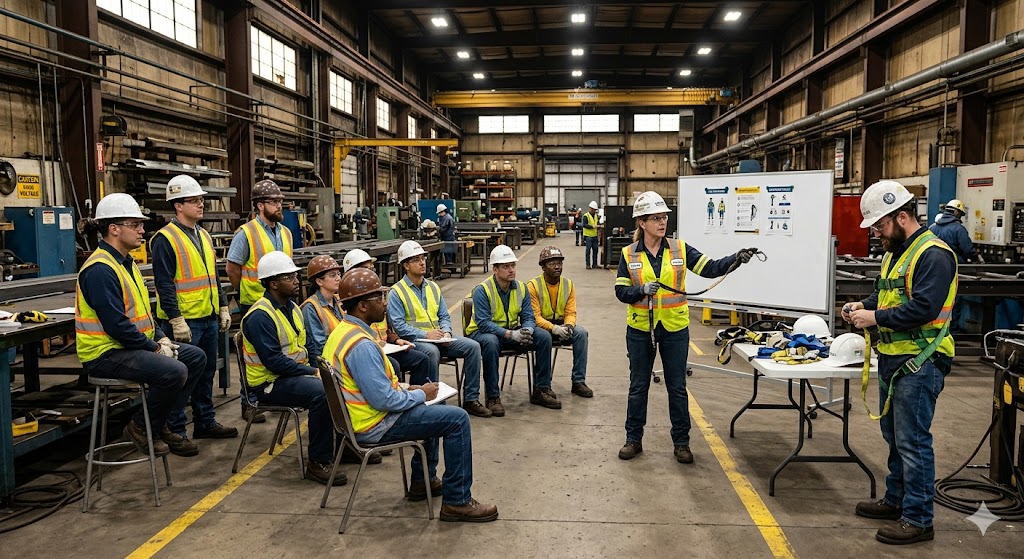
Contractor insurance in New York is a critical part of operating legally and protecting your business. Whether you’re a general contractor, electrician, or independent tradesperson, the right coverage helps manage risks tied to job sites, employees, and client agreements.
Understanding what policies you need—and why—can prevent costly issues down the line.
What Contractor Insurance Covers in NY
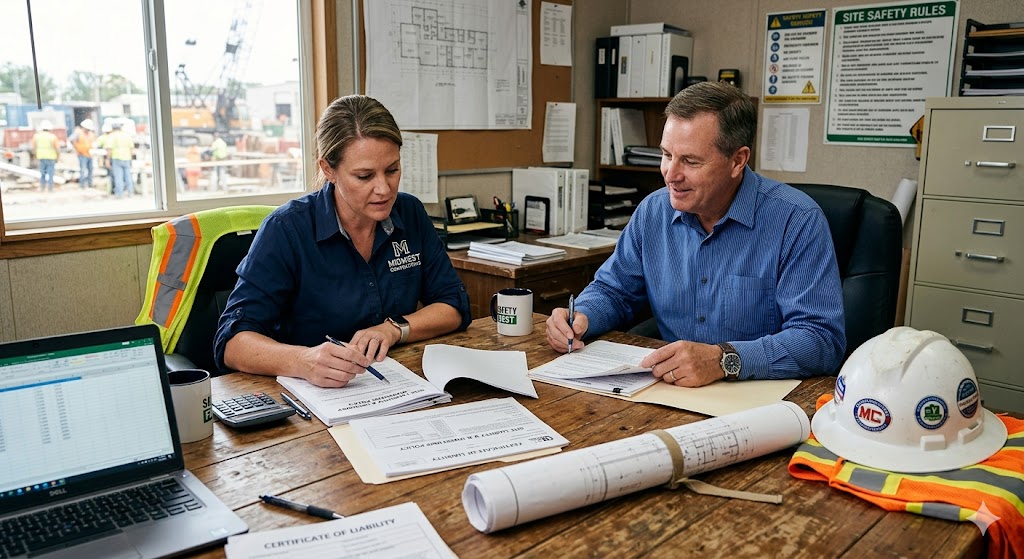
Contractor insurance isn’t a single policy. It’s a combination of coverages designed to protect against common risks in construction and trade work.
Typical protections include:
- Job site injuries involving third parties
- Property damage caused during work
- Damage to tools and equipment
- Legal defense costs
Construction environments carry higher risk than many industries, making insurance a practical necessity.
Required Insurance for Contractors in New York
Some types of insurance are legally required, while others are often mandated by contracts or project owners.
Workers’ Compensation Insurance
- Required for businesses with employees
- Covers workplace injuries and lost wages
Disability Insurance
- New York requires disability benefits coverage for employees
Commercial Auto Insurance
- Required if you use vehicles for business purposes
Failing to carry required coverage can result in fines, penalties, or project delays.
Common Contractor Insurance Policies

Contractors typically combine several policies to create full protection.
General Liability Insurance
Covers third-party injuries and property damage. Often required before starting a job.
Tools and Equipment Coverage
Protects equipment from theft or damage, whether on-site or in transit.
Commercial Property Insurance
Covers owned buildings or stored materials.
Professional Liability Insurance
Applies if your work involves design, consulting, or project planning.
Comparing Key Contractor Insurance Types
| Coverage Type | What It Protects | Required in NY | Best For |
|---|---|---|---|
| General Liability | Injuries & property damage | No (but often required) | All contractors |
| Workers’ Compensation | Employee injuries | Yes (most cases) | Employers |
| Commercial Auto | Work vehicles | Yes (if applicable) | Mobile contractors |
| Tools & Equipment | Gear and tools | No | Trades using equipment |
| Professional Liability | Service errors | No | Design/build contractors |
Most contractors need a mix of these policies depending on their work scope.
Pro Insight
Many contractors only think about insurance when a project requires proof of coverage. However, having policies in place beforehand can speed up approvals and make you more competitive when bidding for jobs.
Preparation often opens more opportunities.
What Affects Contractor Insurance Cost

Premiums vary based on several factors:
- Type of work (higher-risk trades cost more)
- Business size and payroll
- Claims history
- Coverage limits selected
- Location within New York
For example, roofing or structural work typically carries higher premiums than interior finishing work.
Quick Tip
Always request a certificate of insurance (COI) when working with subcontractors. This helps confirm they carry their own coverage and reduces your liability exposure.
Real-World Scenario
A contractor is hired for a renovation project in New York. During the job, a ladder falls and damages a client’s property.
With general liability insurance:
- The damage may be covered
- Legal costs are handled
Without it:
- The contractor may need to pay out of pocket
Situations like this are more common than expected.
Common Mistakes to Avoid
- Operating without required coverage
- Assuming one policy covers all risks
- Not updating insurance as the business grows
- Overlooking subcontractor insurance verification
These gaps can lead to financial and legal complications.
How to Choose the Right Coverage
- Identify the risks specific to your trade
- Review contract and licensing requirements
- Compare multiple insurance providers
- Adjust coverage as your projects scale
The right policy should reflect how and where you work—not just minimum requirements.
Frequently Asked Questions
Is contractor insurance required in New York?
Some policies, like workers’ compensation, are required if you have employees. Others may be required by contracts.
What is the most important insurance for contractors?
General liability and workers’ compensation are often considered essential.
How much does contractor insurance cost in NY?
Costs vary widely depending on trade, size, and coverage needs.
Do independent contractors need insurance?
Yes, even without employees, insurance can protect against liability risks.
What is a certificate of insurance?
It’s a document that proves you have active insurance coverage.
Conclusion
Contractor insurance in New York is more than a requirement—it’s a key part of running a stable and professional business. From protecting job sites to meeting contract obligations, the right coverage helps reduce risk and build trust with clients.
Taking the time to understand and structure your insurance properly can support both your day-to-day operations and long-term growth.
Trusted U.S. Resources
https://www.dfs.ny.gov
https://www.sba.gov
https://www.usa.gov/business
https://www.dol.gov
This article is for general informational purposes only and does not provide legal, financial, medical, or professional advice. Policies, rates, and regulations may change over time.