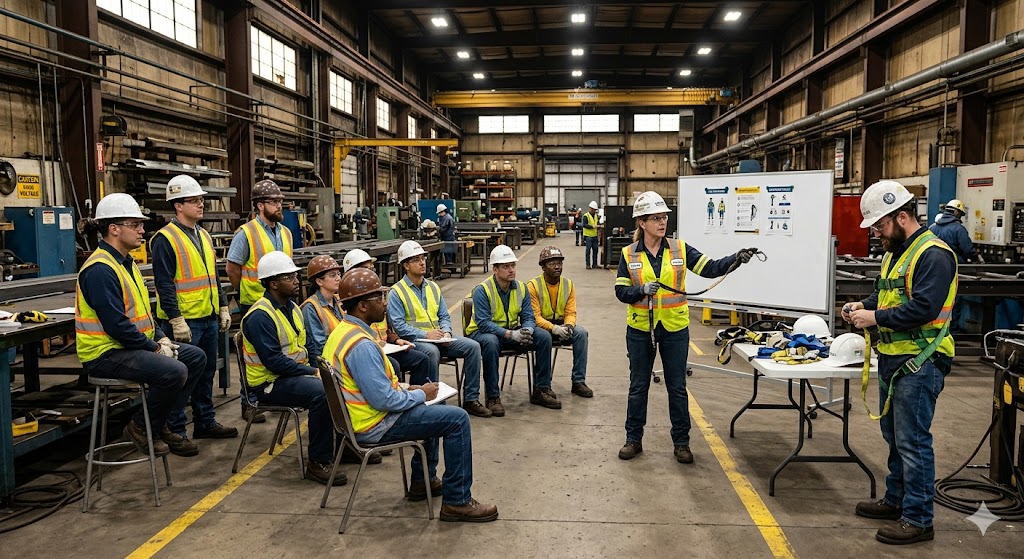
Commercial insurance in New York is a broad category of coverage designed to protect businesses from financial loss. Whether you operate a small storefront or manage a larger operation, having the right mix of policies can help safeguard against lawsuits, property damage, and operational risks.
What Commercial Insurance Covers in New York

Commercial insurance—often called business insurance—covers a range of risks that can arise during normal operations.
Typical protections include:
- Customer injuries or accidents on your premises
- Property damage caused to others
- Legal costs and lawsuits
- Damage or loss of business property
In general, it acts as a financial safety net when unexpected events disrupt your business. (New York Insurance Information Portal)
Is Commercial Insurance Required in New York
Not all types of commercial insurance are legally required, but some are mandatory depending on your business activities.
Required Coverage
- Workers’ compensation for employee injuries
- Commercial auto insurance for business vehicles (insureon.com)
Not Required but Commonly Needed
- General liability insurance
- Commercial property insurance
Even when not required by law, landlords, lenders, and contracts often require proof of coverage before you can operate. (ocmiworkerscomp.com)
Types of Commercial Insurance in NY

New York businesses typically combine multiple policies based on their risk exposure.
General Liability Insurance
Covers third-party injuries, property damage, and advertising-related claims. Often required in leases and contracts. (K&N Insurance Brokerage)
Commercial Property Insurance
Protects buildings, equipment, and inventory from events like fire or theft. (ekinsurance.com)
Workers’ Compensation Insurance
Covers employee injuries, medical costs, and lost wages. Required in most cases.
Commercial Auto Insurance
Required for any business-owned vehicle and covers accidents, injuries, and legal expenses. (insureon.com)
Professional Liability Insurance
Protects against claims of negligence or errors in professional services.
Comparing Key Commercial Insurance Types
| Coverage Type | What It Protects | Required in NY | Best For |
|---|---|---|---|
| General Liability | Third-party injuries & damage | No (but often required by contracts) | Most businesses |
| Commercial Property | Buildings & equipment | No | Businesses with physical assets |
| Workers’ Compensation | Employee injuries | Yes (most cases) | Employers |
| Commercial Auto | Business vehicles | Yes (if applicable) | Companies with vehicles |
| Professional Liability | Service-related errors | No | Consultants, professionals |
Most businesses don’t rely on just one policy—they build a combination based on their risks.
Pro Insight
In New York, many businesses first purchase insurance to meet a requirement—like signing a lease or contract. But the more strategic approach is to evaluate risks first, then build coverage around real exposure.
That shift can prevent gaps that only become obvious after a claim.
What Affects Commercial Insurance Cost

Several factors influence how much you’ll pay:
- Type of business and industry risk
- Location (urban areas may have higher premiums)
- Number of employees
- Coverage limits and deductibles
- Claims history
Higher-risk industries—like construction or transportation—typically pay more due to increased exposure.
Quick Tip
If you’re starting a business, bundle multiple policies into a Business Owner’s Policy (BOP). This often combines liability and property coverage at a lower cost than buying them separately.
Real-World Scenario
A retail shop in New York leases space in a busy area. The landlord requires general liability insurance before signing the lease.
Shortly after opening, a customer slips inside the store and files a claim. The business’s insurance helps cover medical expenses and legal costs, preventing a direct financial hit to the owner.
This is a common situation where coverage quickly proves its value.
Common Mistakes to Avoid
- Assuming insurance isn’t needed if it’s not legally required
- Underestimating liability risks
- Choosing the lowest coverage limits to save money
- Not updating policies as the business grows
These gaps can lead to significant out-of-pocket costs later.
How to Choose the Right Coverage
- Identify your main business risks
- Check legal and contract requirements
- Compare policies from multiple providers
- Review coverage annually as your business evolves
The goal is to match protection with actual exposure—not just meet minimum expectations.
Frequently Asked Questions
What is commercial insurance in New York?
It’s a group of policies that protect businesses from financial losses due to risks like lawsuits, property damage, and employee injuries.
Is general liability insurance required in NY?
Not by law in most cases, but it’s commonly required by landlords and contracts.
How much does commercial insurance cost in NY?
Costs vary widely depending on business type, size, and coverage needs.
Do small businesses need commercial insurance?
Yes, even small businesses face risks that can lead to financial loss.
What is the most important business insurance?
It depends, but general liability and workers’ compensation are often considered essential.
Conclusion
Commercial insurance in New York is less about meeting a single requirement and more about building a complete protection strategy. From liability coverage to property and employee protection, each policy plays a role in keeping your business stable.
Taking the time to assess risks and choose appropriate coverage can help you avoid unexpected financial setbacks as your business grows.
Trusted U.S. Resources
https://www.sba.gov
https://www.dfs.ny.gov
https://www.usa.gov/business
https://www.consumerfinance.gov
This article is for general informational purposes only and does not provide legal, financial, medical, or professional advice. Policies, rates, and regulations may change over time.