
Trip insurance isn’t just a nice-to-have—it’s a practical safety net for travelers. In 2026, travel disruptions, rising medical costs abroad, and non-refundable trip expenses make protection more important than ever. The right trip insurance helps you manage unexpected cancellations, medical emergencies, delays, and more—without losing your travel investment.
This guide breaks down what trip insurance actually covers and how to choose smart protection.
This article is for general informational purposes only and does not provide legal, medical, or insurance advice. Coverage options, terms, and availability vary by provider and destination.
Why trip insurance matters for modern travel
Travel rarely goes exactly as planned. Flights get delayed, weather changes, luggage gets lost, and health issues arise—often when you least expect them.
A traveler from New York on a European vacation faced last-minute airline cancellations. Because she had trip cancellation coverage, she was reimbursed for hotel deposits and managed to rebook without losing money.
Trip insurance turns stressful surprises into manageable situations.

What trip insurance typically covers
Trip insurance is composed of different protections—think of them as safety layers.
Trip Cancellation / Interruption
Reimburses prepaid, non-refundable trip costs if you must cancel or cut short your trip for covered reasons, such as illness, injury, or severe weather.
Emergency Medical
Covers medical costs abroad where your domestic health insurance might not apply.
Emergency Evacuation
Pays for medically necessary transport to appropriate care or evacuation back home.
Baggage Loss / Delay
Reimburses for lost or delayed luggage and essentials.
Travel Delay
Pays for additional expenses (meals, accommodation) when delays exceed a specified threshold.
Internal links to your travel planning or emergency readiness guides fit naturally here.
How trip insurance pricing works
Trip insurance cost usually ranges from 4%–10% of your non-refundable, prepaid trip expenses. International travel, higher age brackets, and extensive coverage options increase premiums.
Here’s a general idea:
| Trip Type | Typical Insurance Cost |
|---|---|
| Short domestic trip | ~4%–6% |
| Extended domestic or nearby international | ~6%–8% |
| Long international travel | ~8%–10%+ |
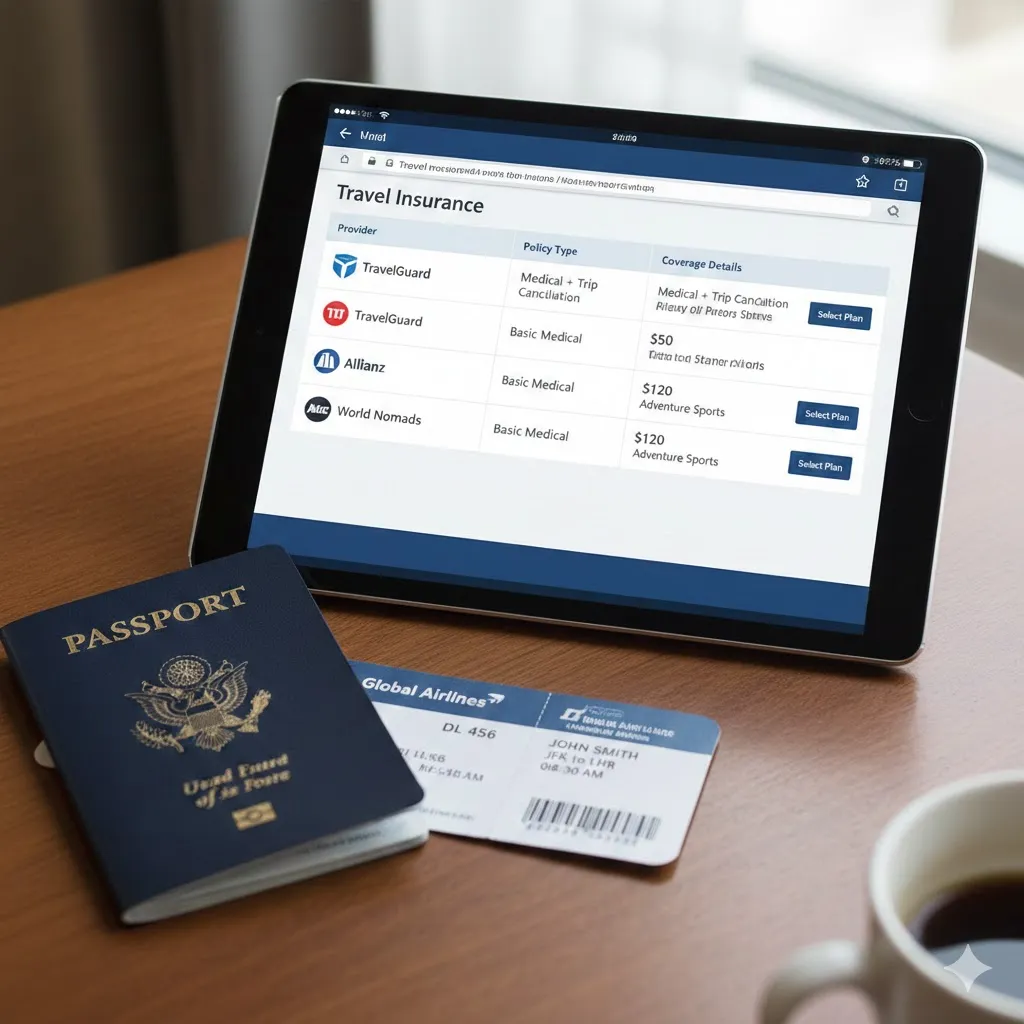
Comparing trip insurance plan types
Not all plans are the same. Choose based on your trip and priorities.
| Plan Type | Best For | Strengths | Trade-offs |
|---|---|---|---|
| Basic cancellation | Budget travelers | Lower cost | Limited coverage |
| Comprehensive international | Multi-country travel | Broad protection | Higher cost |
| Medical-only | Already insured travelers | Emergency care focus | No trip cancellation |
| Annual/multi-trip | Frequent travelers | Covers multiple trips | Upfront annual fee |
Pro Insight
Buy trip insurance early—ideally within 10–21 days of your first trip payment. Many plans offer the strongest cancellation benefits only when purchased soon after booking.
Quick Tip
Match coverage limits to your actual prepaid trip cost, not your total expected budget. If your prepaid, non-refundable expenses total $4,000, insure at least that much for proper protection.

When trip insurance matters most
Trip insurance shines in these common scenarios:
- Medical emergencies abroad – U.S. health plans often don’t apply internationally
- Natural disasters or severe weather – Major delays or evacuations
- Trip cancellations – Illness, injury, or covered unforeseen events
- Lost or delayed luggage – Replaces essential items
- Travel delays – Pays for meals and accommodation when stranded
Internal links to your travel risk or destination guides fit naturally here.
FAQs
Does trip insurance cover pandemics?
Some policies include pandemic coverage; others require specific riders—check the fine print.
Can I buy trip insurance after booking?
Yes, but maximum cancellation benefits often apply only if purchased soon after booking.
Will trip insurance cover pre-existing conditions?
Certain plans offer a pre-existing condition waiver if purchased early and all conditions are met.
Does travel insurance cover weather delays?
Yes, most comprehensive plans cover delays due to severe weather.
Is travel insurance refundable?
Some plans offer a free look period for refunds. Terms vary by provider.
Conclusion
Trip insurance turns uncertainty into confidence. When flights cancel, weather strikes, or health issues emerge abroad, the right plan protects both your finances and your peace of mind. By matching coverage to your trip cost, destination, and personal risk exposure, you ensure your travel investment works for you—not against you.
Trusted U.S. Resources
- U.S. Department of State – Travel Assistance: https://travel.state.gov
- Centers for Disease Control and Prevention (CDC) Travel Health: https://wwwnc.cdc.gov/travel
- Transportation Security Administration (TSA): https://www.tsa.gov