
Travel insurance USA isn’t just an optional add-on anymore. With rising travel costs, complex medical systems, and unpredictable disruptions, a good travel insurance policy protects both your money and your peace of mind. In 2026, Americans travel domestically and abroad more than ever—and the right insurance can save thousands of dollars when plans go sideways.
This guide focuses on what real travelers need to understand before buying coverage.
This article is for general informational purposes only and does not provide legal, medical, insurance, or financial advice. Coverage, requirements, and availability vary by provider and trip.
Why travel insurance matters for U.S. trips
Whether you’re flying internationally or road-tripping across states, things can still go wrong—and fast:
- medical emergencies abroad often aren’t covered by U.S. health insurance
- flight cancellations and weather delays can leave you with big bills
- lost luggage or stolen items can wipe out trip gear
- evacuation for natural disasters can cost tens of thousands
A family from Illinois experienced this firsthand when their international cruise was canceled due to hurricane warnings. Without travel insurance, the non-refundable charges would have wiped out most of their savings.

What travel insurance typically covers
Travel insurance isn’t one uniform product—it’s made of several types of protection.
Common benefit categories include:
- Trip Cancellation/Interruption: Reimburses prepaid trip costs for covered reasons
- Emergency Medical: Covers treatment overseas where domestic plans don’t apply
- Emergency Evacuation: Pays for medically necessary transport to appropriate facilities
- Baggage Loss/Delay: Compensates for lost, stolen, or delayed luggage
- Travel Delay: Covers additional expenses if you’re stranded due to delays
If your site includes U.S. travel planning or emergency prep content, internal links fit naturally here.
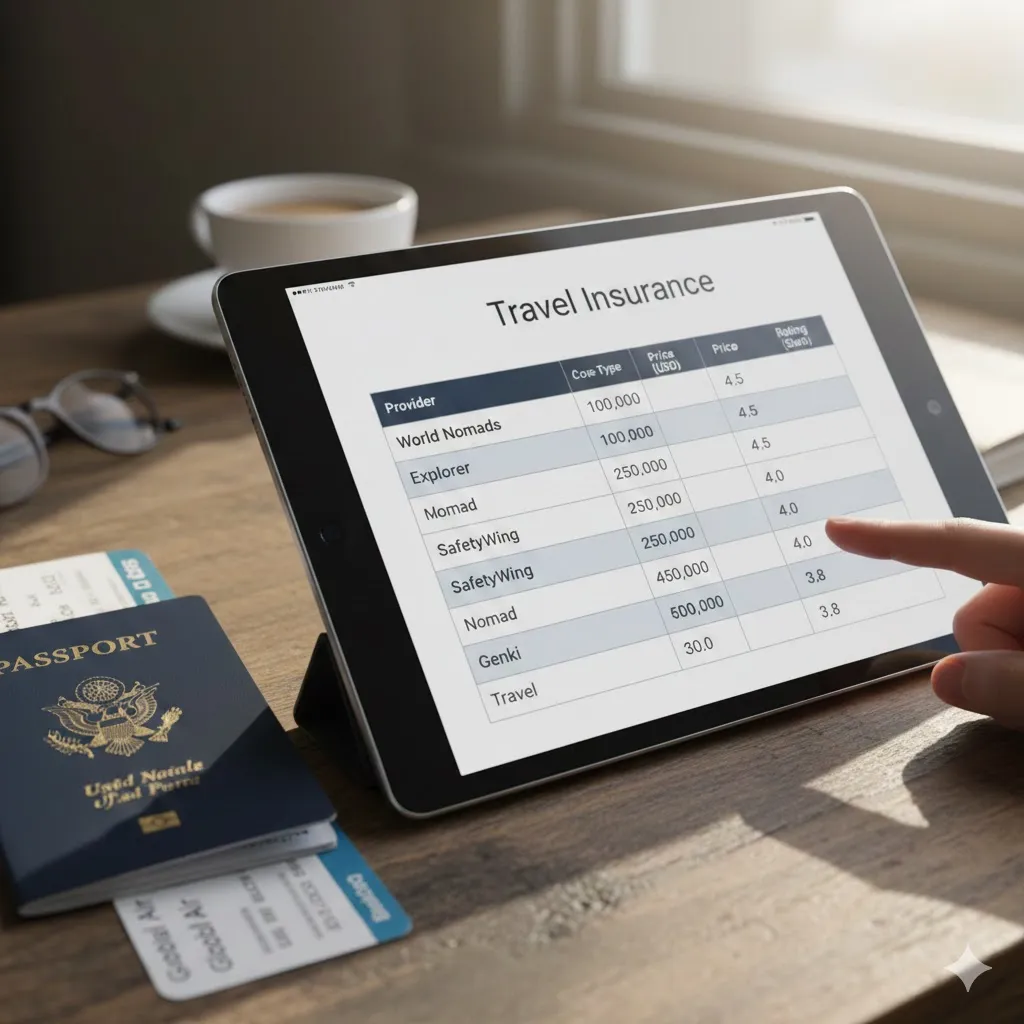
How travel insurance pricing works
Most U.S. travel insurance policies cost about 4%–10% of the non-refundable trip cost. Longer trips, older travelers, and international itineraries tend to cost more.
Here’s a rough idea:
| Trip Type | Estimated Insurance Cost |
|---|---|
| Short domestic trip (3–7 days) | ~4%–6% |
| Longer domestic/nearby international | ~6%–8% |
| Extended international travel | ~8%–10%+ |
Comparing travel insurance plan types
Different trips call for different plan structures.
| Plan Type | Best For | Strengths | Trade-offs |
|---|---|---|---|
| Basic trip cancellation | Short trips | Lower cost | Limited coverage |
| Comprehensive international | Multi-country travel | Broad protection | Higher cost |
| Medical-only | Already insured travelers | Focused care | No trip cancellation |
| Annual/multi-trip | Frequent travelers | Covers multiple trips | Upfront annual fee |
Pro Insight
Time matters. Many policies offer strongest cancellation benefits only if purchased within 10–21 days of your first trip payment.
Quick Tip
Calculate travel insurance based on your total prepaid, non-refundable costs—not the estimated budget you might spend. If your trip costs $5,000 to lock in, insure for at least that much.

When travel insurance matters most
Certain scenarios justify travel insurance before anything else:
- Medical care abroad where U.S. health plans don’t apply
- Natural disasters or severe weather events
- Trip cancellation due to illness or emergency
- Unforeseen evacuation needs
- Lost or delayed luggage during transit
Internal links to your travel safety or medical planning guides fit naturally here.
FAQs
Do I need travel insurance for domestic U.S. travel?
Often yes—especially if you pre-pay non-refundable costs like tours, hotels, or flights.
Does U.S. health insurance cover international medical care?
Usually not. Emergency medical travel coverage fills that gap.
Does travel insurance cover pandemics?
Coverage varies; some plans include pandemic-related issues, others require riders.
Can I buy travel insurance after booking?
Yes, but maximum cancellation coverage is usually strongest when purchased soon after your initial trip payment.
Is travel insurance refundable?
Policies can have cancellation windows, but refund rules depend on the provider and timing.
Conclusion
Travel insurance USA isn’t about fear—it’s about preparedness. When medical costs, trip cancellations, or lost items threaten your plans, the right policy turns uncertainty into confidence. By matching coverage to your trip’s cost, destination, and personal risk factors, you protect both your vacation and your finances.
Trusted U.S. Resources
- U.S. Department of State – Travel Assistance: https://travel.state.gov
- Centers for Disease Control and Prevention (CDC) Travel Health: https://wwwnc.cdc.gov/travel
- Transportation Security Administration (TSA): https://www.tsa.gov