
Traveling as a student—whether for study abroad, spring break, internships, or volunteer trips—can be exciting but also unpredictable. That’s why student travel insurance is increasingly popular among U.S. students in 2025: it offers tailored protection for typical student-related travel risks at affordable rates. This guide helps you understand when you need it, what’s usually covered, and how to choose a smart plan.
For informational purposes only — not medical or legal advice.
What Is Student Travel Insurance?
Student travel insurance is a travel-insurance plan designed for younger travelers (students, often under 30) who may travel domestically or internationally for study, exchange, internships, volunteer work, or leisure. It typically combines:
- Emergency medical coverage
- Trip interruption or cancellation (for covered reasons)
- Baggage protection
- Travel delays coverage
- Sometimes limited protection for preexisting-condition riders
Compared to standard travel insurance, student plans often offer lower premiums, shorter trip-focused coverage, and flexibility for student-specific needs (study abroad, academic programs, unpredictable schedules).
When Student Travel Insurance Makes Sense
You should consider student travel insurance when:
- You study abroad (semester, summer program, exchange)
- You travel internationally for internships, volunteer service, or humanitarian work
- You plan variable-cost, short-term trips (spring break, holiday break)
- You may rely on public transport, hostels, or budget accommodations — higher risk of delays or theft
- Your existing health insurance (if any) doesn’t offer good overseas coverage
This kind of insurance adds a safety net for unexpected issues that many students might overlook.
What Student Travel Insurance Usually Covers
Coverage differs by provider, but common protections include:
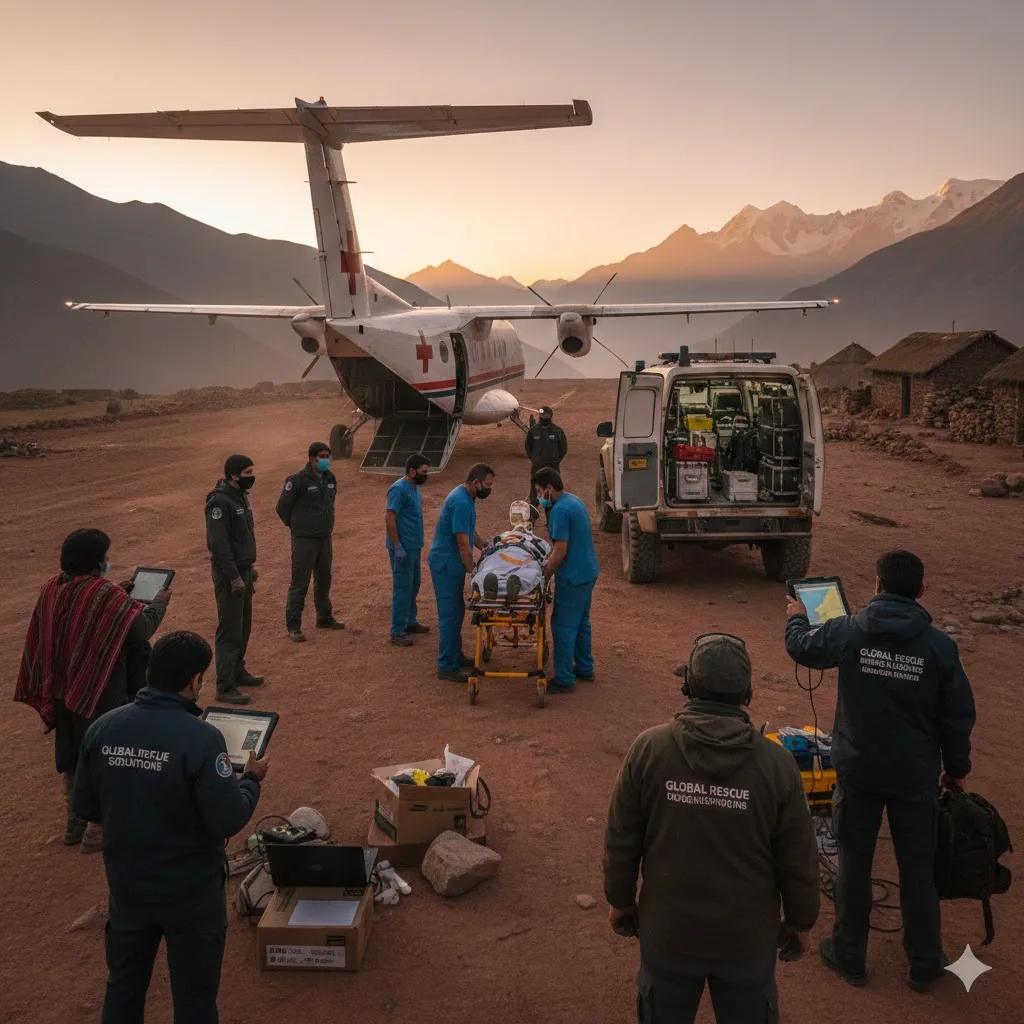
- Emergency medical coverage / Medical evacuation — hospitalization, urgent care, ambulance, emergency transport if abroad
- Trip interruption / Trip cancellation (for covered reasons) — illness, flight cancellation, academic emergencies, natural disasters
- Baggage loss, delay, or theft — compensation for lost, stolen, or delayed luggage and essentials
- Travel delay support — meal, lodging, transport support if trip delayed significantly
- 24/7 assistance hotline — for emergencies, help with logistics, translation, or legal support
Some plans offer optional add-ons like coverage for preexisting conditions, adventure-activity rider, or extended overseas stay.
What’s Often Not Covered — And What to Check
- “Cancel for any reason” — student plans usually cover only specific reasons.
- Pre-existing conditions — unless a policy explicitly includes them or offers a rider.
- High-risk activities — extreme sports, unapproved adventures may be excluded.
- Non-emergency medical care — routine checkups, elective procedures usually not covered.
- Travel to countries under travel advisories — many insurers exclude high-risk zones.
Important: Always read small print. For students, clarity on what is covered can make or break a trip.
How Much Does Student Travel Insurance Cost
Typical pricing factors:
- Age (usually discount for students under 30)
- Trip duration
- Coverage amounts (medical limits, evacuation, baggage)
- Whether it’s domestic or international travel
- Add-on riders (pre-existing coverage, adventure coverage)
Rough ballpark:
- Short domestic trips (1–2 weeks): $20–$50
- Semester abroad or long internships: $100–$300
- International study abroad (3–6 months): $150–$500, depending on coverage level
Overall: a relatively small cost compared to potential medical bills or lost flights.
Student Travel Insurance vs Regular Travel Insurance
| Feature | Student Travel Insurance | Regular Travel Insurance |
|---|---|---|
| Price | Lower (student-discounted) | Higher |
| Trip Duration | Short to medium (weeks–months) | Any duration |
| Medical Coverage | Often tailored, may exclude preexisting | Comprehensive (optional upgrades) |
| Flexibility | Good for students abroad or irregular trips | Best for leisure or family travel |
| Add-ons | Student-specific (evacuation, theft, study abroad support) | More general (CFAR, luxury cover) |
If you’re a student or young adult traveling under limited budget — student travel insurance often offers the best value.
Tips for U.S. Students Choosing a Plan (2025)
1. Prioritize Medical & Evacuation Coverage
Hospitals abroad may be expensive. Ensure you have high medical and evacuation limits.
2. Add Baggage Protection
Students often carry laptops, electronics — theft or delay can disrupt studies/travels.
3. Check Duration & Coverage Dates
Make sure the policy covers the entire travel or study period — not just the flight.
4. Watch Exclusions Carefully
Check for exclusions: preexisting conditions, risky activities, travel advisories.
5. Compare Plans — Price vs Protection
Low premium but minimal coverage may not be worth it. Balance cost and safety.
Pro Insight: Many Students Underestimate Travel Risks — But Emergencies Happen
From lost passports to medical emergencies to sudden flight cancellations, real student stories show:
- A spring-break trip delayed 48 hours due to weather — insurance covered lodging and meals.
- A volunteer abroad needing emergency evacuation after illness — without coverage, costs exceeded $15,000.
- A roommate’s suitcase stolen — baggage protection reimbursed essential items.
Student travel insurance is less about “if something goes wrong” and more about “when it does.”
Frequently Asked Questions
Do students need travel insurance if they have U.S. health insurance?
Often yes — U.S. health plans may not cover medical emergencies abroad, and evacuation coverage is rarely included.
Can I buy student travel insurance after I book my trip?
Usually yes — but earlier is better. Some providers add waiting periods or exclude coverage if purchased too late.
Does it cover study abroad programs?
Yes; many student travel insurance plans are designed specifically for semester abroad, internships, or volunteer travel.
Is baggage loss covered?
Yes, most plans include baggage loss, delay, or theft, but check coverage limits and conditions.
Will it cover emergency evacuation back to the U.S.?
Yes—good plans include evacuation and repatriation coverage, crucial for costly medical emergencies overseas.
External Authority Sources
https://www.usa.gov
https://www.cdc.gov — for travel and health advisories
https://www.consumerfinance.gov