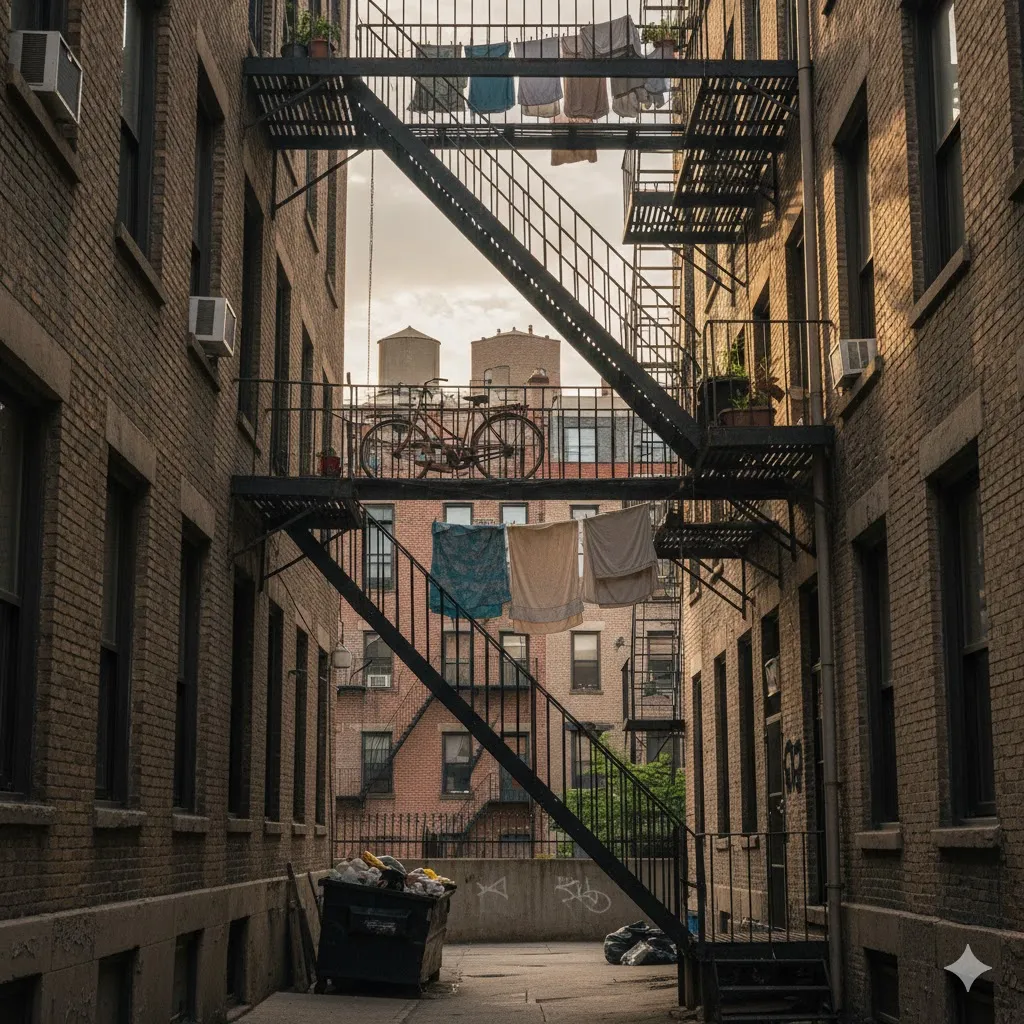
Learn how rental property insurance in New York works, what it covers, and how landlords protect income and property from common risks.
Searching for rental property insurance NY usually means you own, or plan to own, a rental and want real protection—not guesswork. In New York, where regulations are strict and repair costs are high, landlord insurance is a practical safeguard for both property and cash flow.
What Rental Property Insurance Means in New York
Rental property insurance, often called landlord insurance, is designed for owners who rent out residential properties. Unlike homeowners insurance, it accounts for tenant-related risks and rental income exposure.
For example, a landlord in Brooklyn faced a kitchen fire caused by a tenant. The building repairs were covered, and lost rental income during repairs was reimbursed. Without landlord insurance, both costs would have come directly out of pocket.
What Rental Property Insurance Typically Covers
Most NY landlord policies focus on three core protections. First, dwelling coverage helps repair or rebuild the structure after covered damage. Second, liability coverage helps protect you if a tenant or visitor is injured and you’re found responsible. Third, loss-of-rental-income coverage can reimburse missed rent if the unit becomes uninhabitable due to a covered event.
Coverage details vary, but these elements form the backbone of most policies.
Rental Property Insurance vs Other Policies
| Policy Type | Who It’s For | What It Covers | What It Doesn’t |
|---|---|---|---|
| Rental Property Insurance | Landlords | Structure, liability, lost rent | Tenant belongings |
| Homeowners Insurance | Owner-occupied homes | Structure & personal property | Tenant-related risks |
| Renters Insurance | Tenants | Personal belongings & liability | Building structure |
| Condo Master Policy | HOA/Co-op | Common areas & structure | Individual unit contents |
This distinction matters in New York, where using the wrong policy can lead to denied claims.
Why Landlord Insurance Matters in NY
New York rental properties face unique risks. Older buildings, shared utilities, winter weather, and high tenant density all increase the chance of claims. Legal exposure is also higher due to strict tenant protection laws.
A landlord in Albany discovered this after a tenant slipped on icy stairs. Liability coverage handled legal costs, preventing a serious financial setback.
How Much Rental Property Insurance Costs in New York
Costs depend on property value, location, age, and coverage limits. In many parts of New York, annual premiums commonly range from $1,300 to $1,700, though NYC properties or multi-unit buildings may cost more.
Higher deductibles can lower premiums, but they also increase out-of-pocket costs after a claim.
How to Choose the Right Rental Property Insurance
Focus on coverage quality, not just price. Make sure dwelling limits reflect real rebuild costs, not market value. Liability limits should be high enough to protect assets. Loss-of-income coverage should match realistic rental timelines.
Quick Tip: Require tenants to carry renters insurance. It reduces disputes and protects you from claims tied to tenant belongings.
Pro Insight
Many landlords underestimate how damaging rental interruptions can be. Loss-of-rental-income coverage is often the difference between a temporary inconvenience and a long-term cash flow problem.

Disclaimer
This content is for informational purposes only and does not provide legal, tax, or insurance advice. Coverage availability and terms vary by insurer and property.
FAQs About Rental Property Insurance in NY
Is rental property insurance required in New York?
State law doesn’t require it, but most lenders do.
Does landlord insurance cover tenant belongings?
No. Tenants need their own renters insurance.
Is flood damage covered?
Usually not. Flood insurance typically requires a separate policy.
Does landlord insurance cover unpaid rent?
Only if the unit is uninhabitable due to a covered loss—not nonpayment.
Are multi-unit buildings more expensive to insure?
Often yes, due to higher risk and repair costs.
Sources
- New York State Department of Financial Services – https://www.dfs.ny.gov/consumers/insurance
- Insurance Information Institute – https://www.iii.org/article/landlord-insurance
- Policygenius – https://www.policygenius.com/homeowners-insurance/landlord-insurance/
- Investopedia – https://www.investopedia.com/terms/l/landlords-insurance.asp