
Property insurance in New York plays a central role in protecting one of your largest financial assets—your home. Whether you own a house, condo, or rental property, understanding how property insurance NY policies work can help you avoid gaps in coverage and unexpected costs.
What Property Insurance Covers in New York
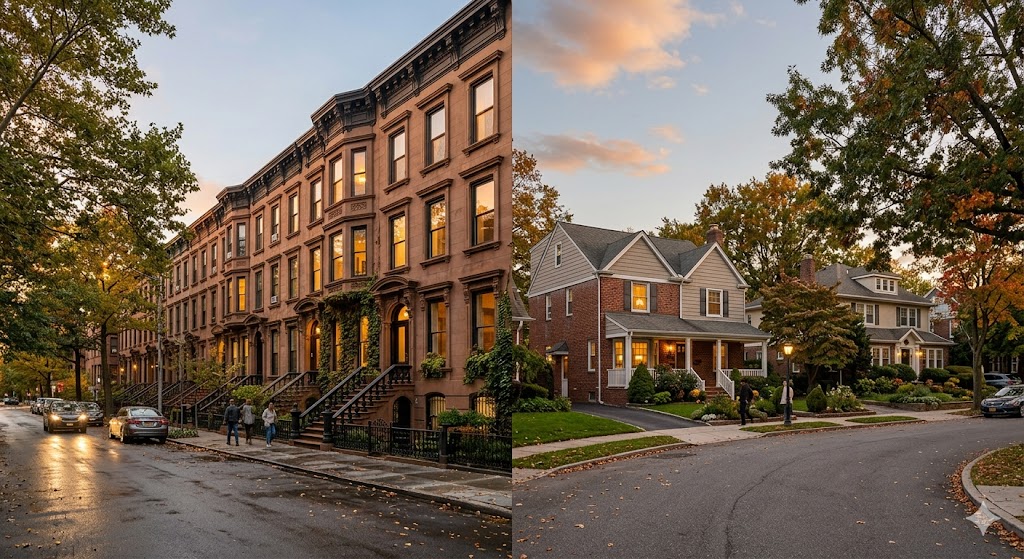
In New York, property insurance is usually part of a broader homeowners policy that combines several types of protection into one package.
The most common coverage areas include:
- Dwelling coverage protects the physical structure of your home, including walls, roof, and attached structures
- Other structures coverage includes detached buildings like garages or sheds
- Personal property coverage helps replace belongings such as furniture and electronics
- Liability protection covers injuries or damage you may cause to others
- Additional living expenses helps pay for temporary housing if your home becomes uninhabitable
These policies are typically bundled, making them more cost-effective than buying each type separately.
Types of Property Insurance Policies in NY
New York offers several standard policy types, each with different levels of protection.
| Policy Type | Coverage Level | Best For |
|---|---|---|
| HO-1 (Basic) | Limited named risks | Rarely used today |
| HO-2 (Broad) | More covered perils | Budget-conscious homeowners |
| HO-3 (Special) | Most comprehensive | Most homeowners |
| HO-4 (Renters) | Personal property only | Tenants |
| HO-6 (Condo) | Interior + belongings | Condo owners |
The HO-3 policy is the most common in New York because it covers most risks except those specifically excluded.
What Property Insurance Does NOT Cover
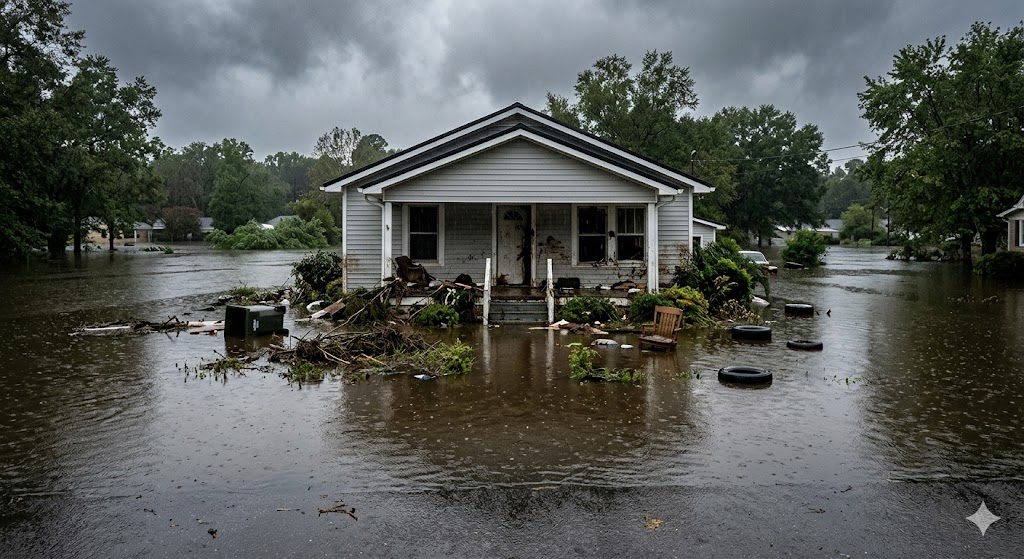
One of the most important aspects of property insurance is understanding exclusions.
Standard policies in New York typically do not cover:
- Flood damage
- Earthquakes
- Sewer or water backup (in many cases)
Flood insurance, for example, must be purchased separately through programs like the National Flood Insurance Program.
Pro Insight
Many homeowners assume they are fully covered until a major event occurs. Reviewing exclusions—especially for flood and water damage—is one of the most practical steps you can take to avoid unexpected financial exposure.
Factors That Affect Property Insurance Costs
Insurance premiums in New York vary based on several key factors.
Location
Homes in coastal or flood-prone areas often have higher premiums due to increased risk.
Home value and rebuild cost
Policies are based on the cost to rebuild, not market price.
Age and condition
Older homes or outdated systems may increase premiums.
Deductible choice
Higher deductibles usually lower your monthly cost but increase out-of-pocket risk.
New York’s exposure to storms and winter weather also contributes to pricing differences compared to lower-risk states.
How to Choose the Right Property Insurance
Choosing the right policy involves more than selecting the lowest premium.
Start by estimating your replacement cost, not your home’s sale value. Then evaluate your belongings to determine appropriate personal property coverage.
Also consider optional add-ons:
- Water backup coverage
- High-value item protection (jewelry, collectibles)
- Extended liability coverage
A simple scenario highlights this. A homeowner selects minimal coverage to reduce premiums. After a fire, rebuilding costs exceed the policy limit, resulting in significant out-of-pocket expenses. Proper coverage from the start could have reduced that gap.
Quick Tip
Review your policy annually, especially after renovations or major purchases. Property values and rebuilding costs can change over time.
Common Mistakes to Avoid
Many homeowners underestimate how much coverage they need. Personal belongings alone can add up quickly.
Another mistake is ignoring policy details. The declaration page outlines limits, deductibles, and coverage types and should be reviewed carefully.
Some also assume insurance is optional. While New York doesn’t legally require property insurance, most mortgage lenders require it to protect their investment.
When to Update Your Property Insurance

You should revisit your policy when:
- You renovate or upgrade your home
- Property values change significantly
- You purchase expensive items
- Your deductible or risk tolerance changes
Even without major changes, reviewing your policy once a year helps keep coverage aligned with your needs.
Frequently Asked Questions
Is property insurance required in New York
It’s not required by law, but most lenders require it if you have a mortgage.
What is the most common policy type in NY
The HO-3 policy is the most widely used due to its broad coverage.
Does property insurance cover floods
No, flood damage requires a separate policy.
How much coverage do I need
You should insure your home based on its replacement cost, not market value.
Can I customize my property insurance
Yes, most policies allow add-ons for additional protection.
Conclusion
Property insurance in New York is designed to protect both your home and your financial stability. With a range of policy types and coverage options available, the key is understanding what’s included—and what isn’t. By reviewing your needs carefully and updating your policy over time, you can build a level of protection that fits your property and your long-term goals.
https://www.dfs.ny.gov
https://www.fema.gov
https://www.hud.gov
https://www.usa.gov
This article is for general informational purposes only and does not provide legal, financial, medical, or professional advice. Policies, rates, and regulations may change over time.