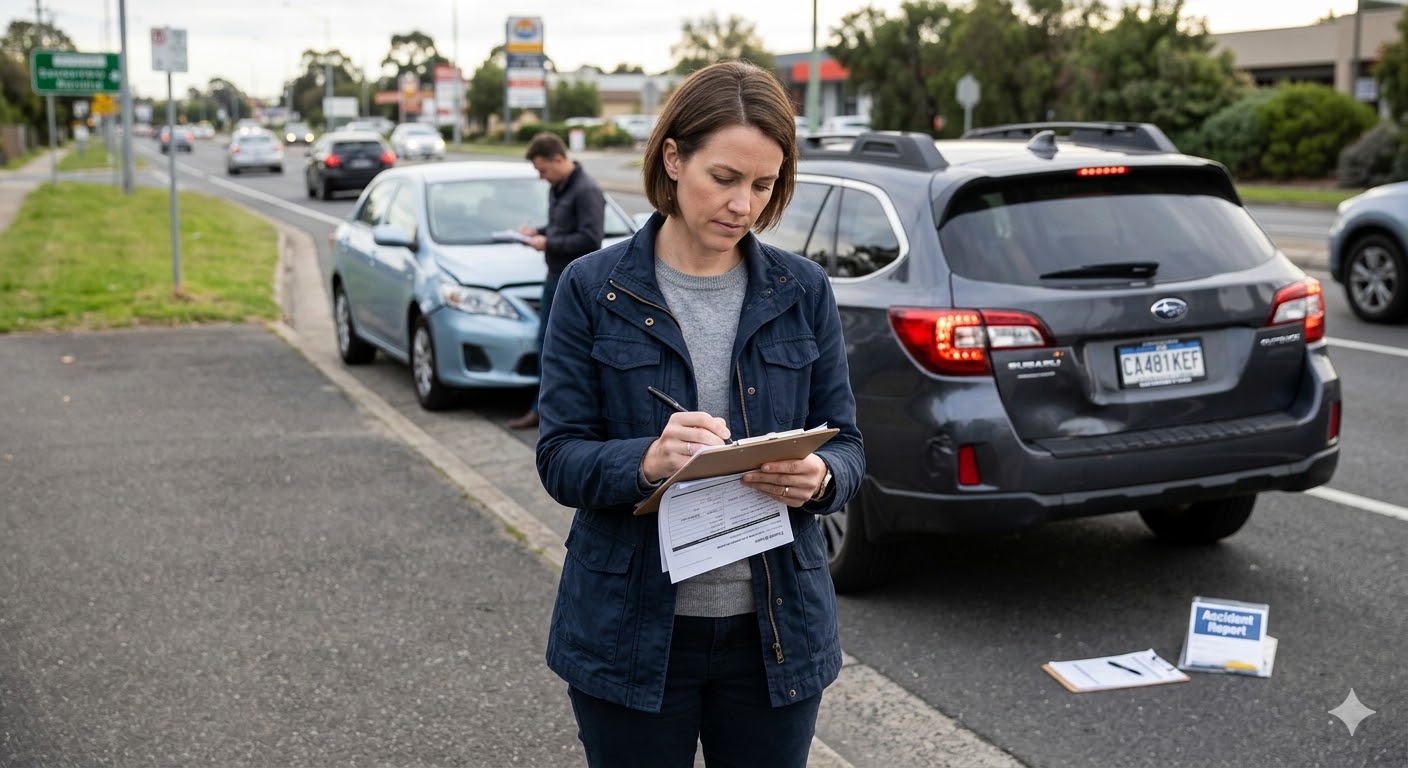
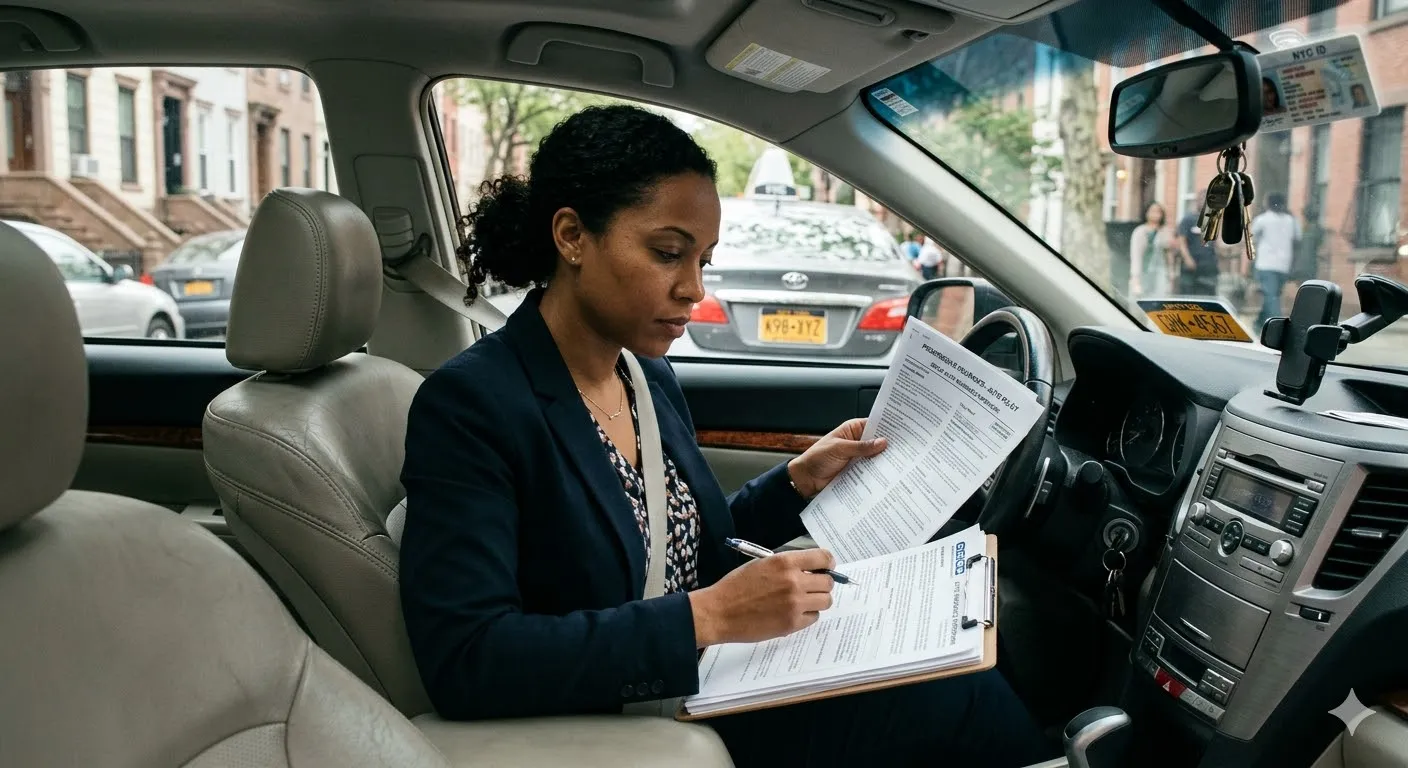
Auto insurance laws in New York require every driver to carry a basic level of financial protection before operating a vehicle on public roads. This baseline policy, commonly known as minimum coverage auto insurance, satisfies the legal requirements set by the state while helping drivers manage the cost of insurance.
For many motorists, especially those with older vehicles or limited driving needs, minimum coverage can appear to be a practical option. It keeps premiums relatively affordable while ensuring compliance with state law.
Still, understanding exactly what this coverage includes—and where its limitations begin—can make a meaningful difference when deciding how much protection is appropriate for your situation.
Understanding Minimum Coverage Auto Insurance in New York
In New York, minimum coverage auto insurance refers to the legally required insurance limits that every driver must carry. The state follows a no-fault insurance system, which means certain medical expenses are paid by your own insurance regardless of who caused the accident.
Because of this system, minimum coverage in New York includes several different components designed to protect both drivers and accident victims.
The required protections generally include:
- Bodily injury liability coverage for injuries you cause to others
- Property damage liability coverage for damage to another person’s property
- Personal Injury Protection (PIP) to cover medical costs and lost wages
- Uninsured motorist coverage if the other driver lacks insurance
These coverages form the foundation of a legally compliant auto policy in the state.
While the requirements ensure a minimum safety net, they are designed primarily to establish basic financial responsibility rather than provide broad protection.
New York Minimum Coverage Limits
New York law sets clear financial limits that define the minimum required policy. Every legally registered vehicle must carry coverage that meets or exceeds these thresholds.
| Coverage Type | Minimum Required Limit |
|---|---|
| Bodily Injury Liability | $25,000 per person |
| Bodily Injury Liability | $50,000 per accident |
| Property Damage Liability | $10,000 per accident |
| Personal Injury Protection (PIP) | $50,000 per person |
| Uninsured Motorist Coverage | $25,000 per person / $50,000 per accident |
These figures are the legal baseline. Insurance providers cannot sell policies below these limits in New York.
However, real-world accident costs can sometimes exceed these amounts. Medical treatment, vehicle repair, and liability claims may add up quickly depending on the severity of the collision.
When Minimum Coverage May Be Practical
For certain drivers, minimum coverage may serve as a reasonable starting point.

Consider a simple scenario.
A driver owns a ten-year-old sedan that has already lost most of its market value. The vehicle is fully paid off and used mainly for short local trips. In this situation, paying higher premiums for extensive coverage may not always make financial sense.
Drivers who often choose minimum coverage include:
- Owners of older vehicles with limited resale value
- Drivers with shorter daily commutes
- Individuals trying to manage monthly insurance expenses
- Households with multiple vehicles where one is rarely used
Even in these cases, evaluating personal financial exposure is important. Liability costs can extend beyond vehicle damage and may include medical bills or legal claims.
Risks of Carrying Only Minimum Coverage
Minimum coverage keeps a driver legally insured, but it does not necessarily provide strong financial protection in every situation.
New York’s dense traffic environments increase the likelihood of multi-vehicle accidents. Repair costs, medical care, and potential legal claims can easily exceed the minimum liability limits.
For example, a single accident involving several vehicles could result in property damage well above the required $10,000 property damage limit. If that occurs, the remaining costs may fall on the driver responsible for the accident.
Because of these risks, some drivers gradually increase liability limits after reviewing their financial situation.
Pro Insight
Insurance professionals often describe minimum coverage as a compliance level, not a long-term strategy.
A common approach among experienced drivers is increasing liability coverage while adjusting deductibles or removing optional features that may not be necessary. This can provide broader protection while still keeping premiums manageable.
Small policy adjustments sometimes produce a more balanced insurance plan without dramatically raising costs.
Minimum Coverage vs Full Coverage
The phrase “full coverage” is widely used in the insurance industry, although it is not an official legal classification.
Generally, full coverage combines the state’s minimum liability requirements with additional protections such as collision and comprehensive insurance.
The difference is straightforward:
- Minimum coverage protects other drivers if you cause an accident.
- Full coverage adds protection for damage to your own vehicle.
Drivers who purchase newer vehicles or finance their cars often move toward broader policies because lenders typically require collision and comprehensive coverage.
Quick Tip
When evaluating insurance options, compare the current value of your vehicle with the potential cost of repairs or replacement. If an unexpected repair would create financial strain, additional coverage may be worth considering.

Frequently Asked Questions
Is minimum coverage auto insurance legal in New York?
Yes. As long as the policy meets the state’s required liability, Personal Injury Protection, and uninsured motorist limits, a driver is considered legally insured.
Does minimum coverage protect my own vehicle?
Typically it does not. Minimum coverage focuses on liability and injury protection. Damage to your own vehicle usually requires collision or comprehensive insurance.
Why does New York require Personal Injury Protection?
New York operates under a no-fault insurance system. Personal Injury Protection helps ensure that medical expenses and certain related costs are covered quickly regardless of fault.
Can drivers increase coverage limits later?
Yes. Insurance policies can be adjusted at renewal or modified during the policy period depending on the insurer’s rules.
What happens if accident damages exceed my policy limits?
If costs go beyond your policy’s limits, the remaining expenses may become your financial responsibility. This is why some drivers choose higher liability limits.
Conclusion
Minimum coverage auto insurance in New York provides the legal foundation required to drive within the state. It ensures drivers carry liability protection and personal injury coverage under the no-fault system.
However, the legal minimum does not always align with real-world accident costs. Understanding both the benefits and limitations of minimum coverage allows drivers to make thoughtful decisions about their level of protection.
Each driver’s situation is different. Vehicle value, driving habits, and personal financial considerations all play a role in determining whether minimum coverage is sufficient or whether broader protection might be appropriate.
Trusted U.S. Resources
https://www.dmv.ny.gov
https://www.dfs.ny.gov
https://www.usa.gov
https://www.consumerfinance.gov
This article is for general informational purposes only and does not provide legal, financial, medical, or professional advice. Policies, rates, and regulations may change over time.