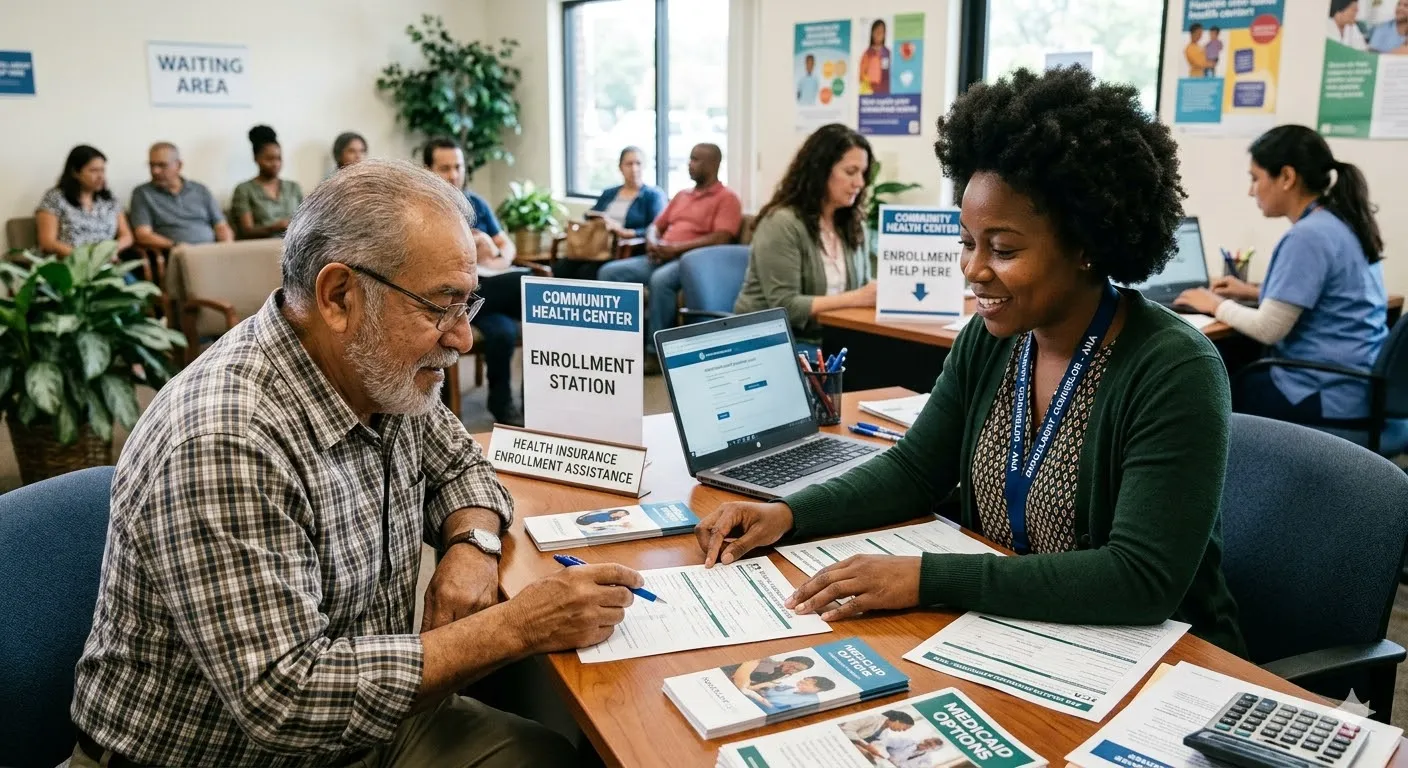

Understanding Medicare coverage in NY can feel complicated at first glance. The program includes multiple parts, supplemental plans, and state-specific resources that can affect how residents receive healthcare benefits. For older adults approaching retirement or those helping a family member navigate coverage, a clear understanding of how Medicare works in New York is essential.
While Medicare is a federal program, the way plans are offered and administered can vary depending on where you live. New York residents often have access to additional consumer protections, a wider selection of Medigap policies, and unique enrollment options that may not exist in other states.
How Medicare Coverage Works in NY

Medicare coverage in NY follows the same basic structure used across the United States, but certain state regulations make the experience somewhat different for residents.
Medicare generally includes four primary components.
Part A covers hospital stays, skilled nursing care, hospice services, and some home health care.
Part B focuses on outpatient services such as doctor visits, diagnostic tests, and preventive care.
Part C, also known as Medicare Advantage, is offered through private insurers approved by Medicare and bundles multiple benefits together.
Part D provides prescription drug coverage.
Many New York residents combine original Medicare with additional plans to reduce out-of-pocket costs or gain access to broader provider networks. The specific options available can vary by county, insurance provider, and eligibility status.
The Role of Supplemental Coverage in New York
Original Medicare does not cover every healthcare expense. Deductibles, coinsurance, and certain services may still require payment from the beneficiary. That is where supplemental coverage becomes important.
New York has one of the most consumer-friendly Medigap systems in the country. The state requires insurers to offer standardized plans year-round without strict medical underwriting for many applicants. This means some residents can change Medigap plans outside of the typical enrollment windows.
For many retirees, this flexibility can make managing healthcare costs easier over time.
Comparison of Common Medicare Options in NY
| Coverage Type | Who Offers It | Key Features | Considerations |
|---|---|---|---|
| Original Medicare | Federal government | Nationwide provider access, standardized benefits | No out-of-pocket cap without supplemental coverage |
| Medicare Advantage | Private insurers | Bundled coverage often including dental or vision | Network restrictions may apply |
| Medigap Supplement | Private insurers | Helps cover deductibles and coinsurance | Requires enrollment alongside Original Medicare |
| Part D Drug Plans | Private insurers | Prescription drug coverage | Formularies and pharmacy networks vary |
Each option serves a different purpose, and many New York residents use a combination that best fits their health needs and budget.
Pro Insight
Healthcare advisors in New York often recommend reviewing Medicare plan options annually, even if your coverage worked well the previous year. Insurance carriers regularly adjust plan premiums, drug formularies, and provider networks.
A plan that was ideal during one enrollment period may become less cost-effective the next year.
Small adjustments can make a meaningful difference over time.
Medicare Advantage Plans Across NY

Medicare Advantage plans have expanded significantly in New York over the past decade. These plans combine hospital and medical coverage and may include additional benefits such as routine dental care, vision exams, and hearing services.
However, these plans typically rely on provider networks similar to traditional health insurance.
For example, a resident in Albany might enroll in a Medicare Advantage HMO plan that requires referrals for specialists and limits care to in-network physicians. Meanwhile, someone in New York City might have access to several PPO plans that allow more flexibility when choosing providers.
Understanding these network structures is important before enrolling.
Quick Tip
When comparing Medicare coverage in NY, always verify whether your current doctors participate in the plan network. Provider participation can vary significantly between plans, even within the same insurance company.
A quick check before enrollment can prevent unexpected disruptions in care.
Costs That New York Residents Should Consider
Medicare coverage is not entirely free. While many people qualify for premium-free Part A after a long work history, other parts of the program involve monthly premiums and potential out-of-pocket costs.
Common expenses may include:
- Monthly Part B premiums
- Prescription drug plan premiums
- Deductibles and coinsurance
- Supplemental plan premiums
New York also offers several assistance programs for residents with limited income. These programs can help cover premiums, prescription costs, or other healthcare expenses.
A Real-World Scenario
Consider a retired teacher living in Buffalo who enrolls in Original Medicare after turning 65. She chooses to add a Medigap plan to help cover deductibles and coinsurance.
A few years later, she discovers a supplemental policy with lower monthly premiums and similar coverage. Because New York allows certain year-round Medigap changes, she can switch plans without the same medical screening restrictions found in many other states.
This flexibility highlights how local rules can shape the Medicare experience.

Frequently Asked Questions
What is the eligibility age for Medicare in New York
Most people become eligible for Medicare at age 65. Individuals with certain disabilities or qualifying medical conditions may qualify earlier.
Can New York residents change Medigap plans anytime
New York has unique consumer protections that often allow residents to switch Medigap plans throughout the year, although availability can depend on the insurer.
Is Medicare Advantage popular in New York
Yes. Many counties in New York offer numerous Medicare Advantage plans with varying premiums, provider networks, and supplemental benefits.
Does Medicare cover long term care
Medicare generally does not cover long-term custodial care such as assisted living or extended nursing home residency.
Where can residents get help choosing a plan
New York residents can receive counseling through state health insurance assistance programs that provide unbiased guidance.
Conclusion
Medicare coverage in NY combines federal benefits with state-specific protections that can give residents more flexibility when choosing plans. Whether someone prefers Original Medicare with a supplemental policy or a bundled Medicare Advantage plan, the available options allow individuals to tailor coverage to their personal health and financial needs.
Taking time to review plan choices, understand network rules, and explore assistance programs can make navigating Medicare significantly easier.
https://www.medicare.gov
https://www.ssa.gov/medicare
https://aging.ny.gov
https://www.cms.gov
This article is for general informational purposes only and does not provide legal, financial, medical, or professional advice. Policies, rates, and regulations may change over time.