Understanding Medicaid eligibility in New York can feel overwhelming, especially when income fluctuates or household situations change. Yet in 2025, New York remains one of the most supportive states in the country, offering expanded coverage, higher income thresholds, and multiple pathways to qualify. Whether you’re a single adult working part-time in Brooklyn, a parent raising two kids in Buffalo, or a senior managing fixed income in Albany, this guide breaks down everything in a clear, human style—packed with real-world examples, updated U.S. data, and natural explanations.
For informational purposes only, not medical advice.
How Medicaid Works in New York (2025)
Medicaid provides free or extremely low-cost health insurance to eligible New Yorkers. While federal rules set the foundation, New York adds its own protections—especially for children, pregnant individuals, and people needing long-term care.
Coverage typically includes:
- Primary & specialist care
- Emergency services
- Prescription medications
- Mental and behavioral health
- Dental & vision (expanded in NY)
- Maternity care
- Home care and long-term support
Think of Medicaid like a safety net that stretches rather than snaps—when income dips, New York’s system adjusts to help you keep essential healthcare.
Income Eligibility for Medicaid in NY (Updated 2025 Levels)
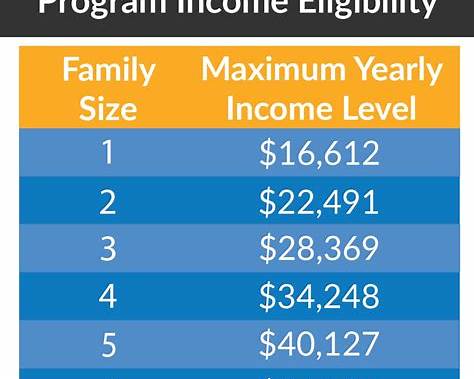
New York is a Medicaid expansion state, meaning many adults qualify based solely on income. Income limits follow Modified Adjusted Gross Income (MAGI) and adjust each year with federal poverty guidelines.
Approximate 2025 Income Limits
(values rounded for clarity)
- Single adult (138% FPL): ~ $21,000/year
- Couple: ~ $29,000/year
- Family of 3: ~ $36,500/year
- Family of 4: ~ $44,000/year
Children, pregnant individuals, and certain special groups qualify at significantly higher thresholds.
New York’s Eligibility Categories
New York offers multiple entry paths:
- Adults 19–64 under Medicaid expansion
- Pregnant individuals up to ~223% FPL
- Children through Medicaid or Child Health Plus
- Seniors 65+ with income and resource rules
- Disabled individuals under SSI-related pathways
- Long-term care applicants with separate eligibility limits
Quick Tip:
Your eligibility can be based on current monthly income, not last year’s taxes—this helps freelancers and gig workers who experience income swings.
Special Pathways Unique to New York
Even if your income is slightly above limits, you may still qualify through:
- Medicaid Spenddown (similar to a deductible)
- Medicaid Buy-In Program for Working People with Disabilities
- Family Planning Benefit Program
- Emergency Medicaid (regardless of immigration status)
Did You Know?
New York’s Medicaid Buy-In allows some individuals with disabilities to earn over $75,000/year and still receive Medicaid, depending on circumstances.

How to Apply for Medicaid in New York (2025 Step-by-Step)
Let’s break this down as if you’re sitting with a navigator—because the process is much simpler than many assume.
1. Where to Apply
You can submit applications through:
- NY State of Health (Marketplace)
- Local Department of Social Services (LDSS)
- Hospitals and community health centers
- Certified navigators (free assistance)
2. Documents You’ll Need
- Proof of identity
- Proof of NY residency
- Pay stubs, benefits letters, or most recent tax filings
- Immigration documentation (if applicable)
- Social Security number, if you have one
3. Processing Time
Most applications take up to 45 days; disability-based cases may take longer.
4. Retroactive Coverage
NY Medicaid may cover eligible medical bills from up to 90 days before approval, if criteria were met during that time.
Medicaid vs. Essential Plan vs. ACA Marketplace Plans in NY (2025)
New York offers some of the broadest affordable coverage options in the country. Here’s how they compare:
| Feature | Medicaid | Essential Plan | ACA Marketplace (Silver) | Notes |
|---|---|---|---|---|
| Benefit Level | Extremely comprehensive | High | Variable by insurer | Medicaid most robust overall |
| Monthly Cost | $0 | $0–$20 | Subsidized | Essential Plan strong for moderate income |
| Dental/Vision | Included | Limited | Varies | Medicaid strongest |
| Income Range | Lowest incomes | Low to moderate | Broad | Marketplace for higher incomes |
| Best For | Adults, kids, disabled, seniors | Working adults under 250% FPL | Those who don’t qualify for Medicaid | New Yorkers benefit from all tiers |


Pro Insight: Why Many NY Residents Miss Out on Medicaid Eligibility
A surprising number of New Yorkers assume they earn too much for Medicaid—even though income limits are far more generous than in many states. Seasonal workers, rideshare drivers, artists, and contract workers often qualify during months when income is lower.
Another overlooked factor: household size calculations.
For example, a single parent with two children is considered a household of three—dramatically increasing income eligibility limits.
Federal Rules vs. New York State Rules (What’s Different?)
| Topic | Federal Standard | New York Rule |
|---|---|---|
| Medicaid expansion | Optional | Fully expanded |
| Eligibility | 138% FPL for adults | Same + additional state pathways |
| Children’s coverage | CHIP available | CHPlus with broader benefits |
| Immigrant eligibility | Limited | Emergency Medicaid widely available |
| Long-term care | Strict | NY offers multiple home care options |
New York consistently ranks among the most protective states for healthcare access.
Frequently Asked Questions
Who qualifies for Medicaid in New York?
Eligibility is based on income, household size, and specific categories such as age, pregnancy, disability, or long-term care needs. Most adults under 138% of the federal poverty level qualify in 2025.
How long does Medicaid approval take in NY?
Most applications are processed within 45 days. Cases involving disability or long-term care evaluations may take longer depending on documentation.
Can immigrants qualify for Medicaid in New York?
Some immigration statuses qualify for full Medicaid. Others may receive Emergency Medicaid, which covers urgent medical needs regardless of status.
Does Medicaid in NY cover dental and vision?
Yes. Unlike many states, New York includes dental cleanings, fillings, eye exams, and eyeglasses for adults and children.
Can income changes affect eligibility?
Yes. If your monthly income drops, you may become eligible mid-year. The state marketplace will automatically reassess your eligibility if you report changes.
External Authority Sources