
International travel insurance is more than a safety net—it’s peace of mind for journeys where your domestic coverage doesn’t travel with you. In 2026, unexpected delays, medical emergencies, and travel disruptions still happen frequently, and out-of-pocket costs abroad can be steep without protection.
This guide explains what international travel insurance actually covers and how to choose the right plan before you leave home.
This article is for general informational purposes only and does not provide legal, medical, or insurance advice. Coverage, availability, and terms vary by insurer, destination, age, and trip details.
Why international travel insurance matters
When you travel outside your home country, your regular health insurance often stops applying—or only covers limited emergency care. Beyond medical exposure, prepaid trip costs, baggage loss, and delay expenses can add up fast.
For example, a U.S. traveler visiting Europe suffered a sudden injury on a remote hiking route. Without international travel insurance, emergency care and evacuation would have exceeded $40,000.
With the right coverage, those costs were fully reimbursed.
Core components of international travel insurance
Most comprehensive plans include several layers of protection—each addressing a different risk:
Trip Cancellation / Interruption
Reimburses prepaid, non-refundable trip costs if you must cancel or cut your trip short for covered reasons (illness, injury, severe weather, jury duty, etc.).
Emergency Medical
Covers hospital bills and urgent treatment overseas where your domestic plan doesn’t apply.
Emergency Evacuation & Repatriation
Pays for medically necessary transport to an appropriate facility or even back home in extreme cases.
Lost / Delayed Baggage
Replaces luggage and essential items when bags are lost, stolen, or significantly delayed.
Travel Delay
Covers meals and accommodations when delays exceed a specified threshold.
If your site has destination planning or safety content, internal links fit naturally here.

How international travel insurance pricing works
Plans usually cost about 4%–10% of your total prepaid, non-refundable trip expenses. Longer trips, older travelers, and broader coverage options push premiums higher.
Here’s a general snapshot:
| Trip Type | Typical Insurance Cost |
|---|---|
| Short international getaway | ~4%–6% |
| Extended international travel | ~6%–8% |
| Multi-region travel | ~8%–10%+ |
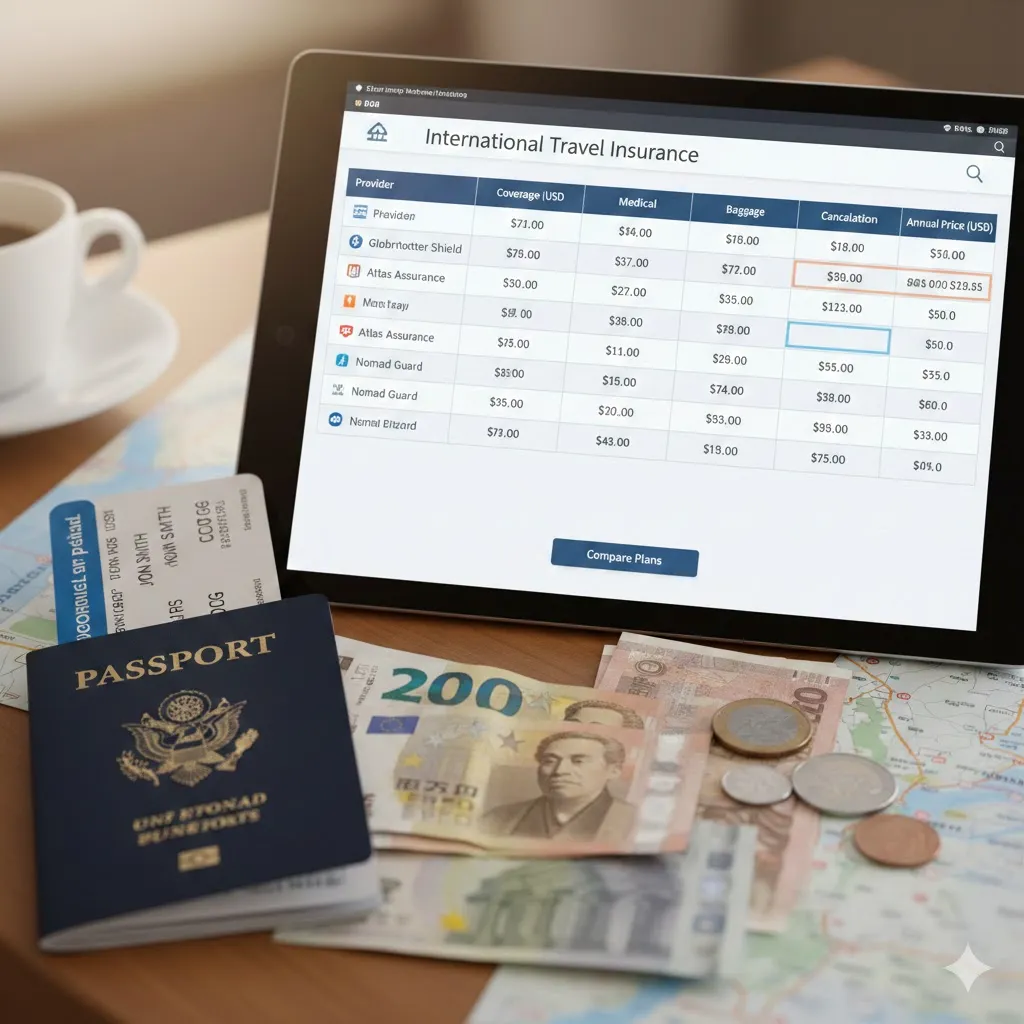
Comparing plan types for international trips
Not all policies cover every risk. Choose a plan based on your travel style and needs.
| Plan Type | Best For | Strengths | Trade-Offs |
|---|---|---|---|
| Basic cancellation | Budget travelers | Lower cost | Limited coverage |
| Comprehensive international | Multi-country trips | Broad protection | Higher cost |
| Medical-only | Strong domestic plans | Emergency care focus | No cancellation |
| Annual multi-trip | Frequent international flyers | Covers multiple trips | Upfront fee |
Pro Insight
Buy international travel insurance early—ideally within 10–21 days of your first trip payment. Many plans offer stronger trip cancellation benefits only when purchased soon after booking.
Quick Tip
Ensure coverage limits match your actual prepaid costs. If you’ve pre-paid $5,000 for flights and tours, insure at least $5,000 in trip cancellation benefits.

Common international coverage questions
Does insurance cover health care abroad?
Yes—emergency medical coverage reimburses necessary treatment overseas where your regular insurance doesn’t apply.
Is evacuation really necessary?
Yes, emergency evacuation—especially from remote areas or islands—can cost tens of thousands without coverage.
Are pandemics covered?
Some policies include pandemic-related coverage; others require specific riders. Always read exclusions.
Can I buy after paying for my trip?
Yes—but maximum cancellation benefits usually apply only if purchased soon after initial trip payment.
Does travel insurance cover terrorism or political unrest?
Coverage varies widely. Some plans include it; others require add-ons.
When you definitely need international travel insurance
Trip insurance shows its value most in these scenarios:
- Medical emergencies in countries without reciprocal health care
- Natural disasters or severe weather disruptions
- Trip cancellations due to illness or unforeseen events
- Lost/stolen luggage or essential documents
- Delays that force extra nights in hotels
Internal links to your travel safety or destination guides fit naturally here.
Conclusion
International travel insurance works best when it’s tailored to your trip’s cost, destinations, and personal risk exposure. Matching coverage to your travel style—not just price—ensures you avoid surprises abroad and protect both your health and wallet. With informed choices, you travel with confidence, not worry.
Trusted U.S. Resources
- U.S. Department of State – Travel Assistance: https://travel.state.gov
- Centers for Disease Control and Prevention (CDC) Travel Health: https://wwwnc.cdc.gov/travel
- Transportation Security Administration (TSA): https://www.tsa.gov