
Navigating individual health insurance in New York can feel overwhelming, especially if you’re shopping on your own without employer coverage. From marketplace plans to public programs, the state offers several pathways designed to fit different needs and budgets. With the right information, you can compare options confidently and find a plan that aligns with your healthcare priorities.
This guide breaks down how individual health insurance works in NY, what costs to expect, and practical steps for enrollment.
How Individual Health Insurance Works in NY
Individual health insurance refers to coverage you purchase for yourself (and potentially your dependents) outside of an employer-sponsored group plan. In New York, most people buy plans through the New York State of Health marketplace, which offers standardized coverage levels and, for eligible enrollees, financial assistance.
Key plan elements include:
- Preventive services (routine checkups, screenings)
- Hospital and emergency care
- Prescription drug benefits
- Specialist visits and mental health services

Types of Plans Available
Health plans in New York come in several structured formats. These determine provider access, referrals, and cost-sharing:
| Plan Type | Provider Access | Referral Needed | Typical Cost Trend |
|---|---|---|---|
| HMO | In-network only | Yes | Lower premiums |
| PPO | In- and out-of-network | No | Higher premiums |
| EPO | In-network | No | Midrange cost |
| POS | Mix of HMO/PPO | Sometimes | Mixed cost |
HMO plans tend to cost less but require staying within a provider network and getting referrals for specialists. PPO plans offer more flexibility but generally come with higher premiums.
Choosing the right type depends on how you use care and whether your preferred doctors are in network.
Costs Beyond the Monthly Premium
A plan’s monthly premium is only part of what you’ll pay. Other cost components include:
- Deductible: Amount you pay before insurance kicks in
- Copayments: Fixed fees for doctor visits or prescriptions
- Coinsurance: Percentage you pay after the deductible
- Out-of-pocket maximum: Annual cap on what you spend
A lower premium plan with high cost-sharing may cost more if you use services frequently. Compare total estimated annual costs (not just premiums) before choosing.
Pro Insight
Many New Yorkers qualify for premium tax credits or cost-sharing reductions through the marketplace. Even moderate-income individuals may receive financial help to lower monthly premiums or reduce out-of-pocket costs.
Before dismissing higher-cost plans, check your eligibility for assistance — it can change which options are most affordable.
Public Coverage and Subsidies
In addition to private plans, New York offers income-based public programs that sometimes include individual coverage components:
- Medicaid: For eligible low-income residents
- Essential Plan: Low-cost coverage for people who earn too much for Medicaid but still qualify for reduced costs
- Child Health Plus: Pediatric-focused coverage (separate but relevant if you have dependents)
Some programs allow year-round enrollment, while marketplace plans follow specific enrollment windows.
Quick Tip
Always verify whether your preferred doctors, clinics, and hospitals are in a plan’s network before enrolling. Out-of-network care often costs significantly more — even if your deductible and premium look low.
Network fit can dramatically impact your overall costs and satisfaction.
Enrollment Periods and Deadlines
Enrollment timing matters:
- Open Enrollment: Annual period when most individual plans are purchased
- Special Enrollment: Triggered by qualifying life events such as:
- Loss of previous coverage
- Marriage or divorce
- Birth of a child
- Moving to a new area
Missing these windows can delay coverage unless you qualify for special enrollment.

Frequently Asked Questions
How do I apply for individual health insurance in NY?
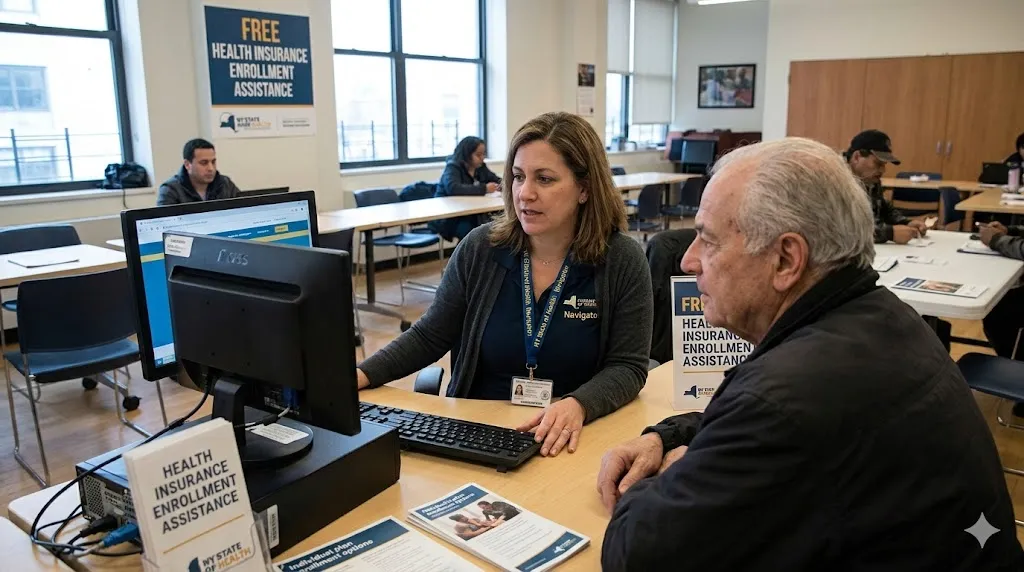
You can apply online through the New York State of Health marketplace, by phone, or with help from a certified enrollment counselor.
Can I get financial assistance?
Yes. Based on household income and size, you may qualify for premium tax credits or cost-sharing reductions.
What is an Essential Plan?
The Essential Plan offers low-cost coverage for moderate-income residents who do not qualify for Medicaid. It typically has lower premiums and cost-sharing.
Are pre-existing conditions covered?
Yes. Health plans in New York cannot deny coverage based on pre-existing conditions.
What happens if I miss Open Enrollment?
You generally must wait until the next Open Enrollment Period unless you have a qualifying life event that triggers Special Enrollment.
Conclusion
Individual health insurance in New York offers multiple options depending on your financial situation, health needs, and provider preferences. By understanding plan types, evaluating total costs, checking network participation, and exploring subsidy eligibility, you can find a plan that fits your lifestyle.
Starting your search early — and comparing plans carefully — ensures smoother enrollment and better confidence in your health coverage.
https://nystateofhealth.ny.gov
https://www.health.ny.gov
https://www.cms.gov
https://www.irs.gov
This article is for general informational purposes only and does not provide legal, financial, medical, or professional advice. Policies, rates, and regulations may change over time.