
Finding reliable home insurance quotes NY homeowners can trust often comes down to one thing—clarity. With dozens of insurers, varying price ranges, and coverage differences, the process can feel fragmented. A structured approach makes it far easier to compare options and avoid overpaying for coverage that doesn’t match your needs.
How Home Insurance Quotes Work in New York

A home insurance quote is an estimate based on details about your property, location, and coverage preferences. In New York, insurers factor in several variables before presenting a price.
Your home’s replacement cost is one of the biggest drivers. This reflects how much it would take to rebuild—not its market value. Insurers also look at your ZIP code, proximity to water, and exposure to risks like winter storms or hurricanes.
Most providers allow you to get quotes online, through agents, or by phone. The process usually involves answering questions about your home’s size, age, materials, and safety features.
Average Home Insurance Quotes in NY
Costs can vary widely, but looking at averages gives helpful context. In New York, quotes often differ significantly between providers and regions.
Some estimates show:
- Around $887 per year from lower-cost insurers
- Roughly $1,300–$1,900 as a common range depending on coverage
- Higher premiums in coastal or densely populated areas
Here’s a simplified comparison of typical quote ranges:
| Coverage Level | Estimated Annual Quote | Who It Fits Best |
|---|---|---|
| Basic Coverage | $800 – $1,100 | Budget-conscious homeowners |
| Standard Coverage | $1,100 – $1,900 | Most single-family homes |
| Extended Coverage | $1,900+ | High-value or coastal homes |
These ranges aren’t fixed. Your final quote depends on your property profile and selected limits.
Where to Get Home Insurance Quotes
New York homeowners typically compare quotes from a mix of national insurers and local providers. Some of the most commonly quoted companies include:
- State Farm
- Allstate
- Liberty Mutual
- Nationwide
- Travelers
You can also work with brokers who gather multiple quotes at once. This approach is often faster and can reveal options you might not find on your own.
A small but practical detail—many quote platforms only require your ZIP code to get started, making initial comparisons quick and low commitment.
What Impacts Your Quote the Most

Even within the same neighborhood, quotes can differ noticeably. That’s because insurers weigh multiple risk factors.
Key influences include:
- Property value and rebuild cost
- Age of the home and construction materials
- Claims history (both yours and sometimes the property’s)
- Deductible amount
- Safety upgrades like alarms or new roofing
Weather also plays a role. New York’s mix of snow, storms, and seasonal risks can push premiums higher compared to milder states.
Pro Insight
If you receive two quotes that seem far apart, look closely at coverage limits—not just price. A cheaper quote may come with lower dwelling coverage or higher deductibles, which can significantly affect out-of-pocket costs after a claim.
Smart Ways to Compare Quotes
Getting multiple quotes is only the first step. The real value comes from comparing them correctly.
Focus on consistency. Make sure each quote includes similar coverage levels, deductibles, and add-ons. Otherwise, you’re not comparing like-for-like.
Also consider bundling. Many insurers offer discounts when you combine home and auto policies, sometimes reducing premiums by 10% to 25%.
A real-world example helps illustrate this. A homeowner in Long Island receives two quotes—one cheaper but with minimal coverage, and another slightly higher with extended replacement protection. In practice, the second option may offer better long-term value despite the higher premium.
Quick Tip
When requesting quotes, use the same property details every time. Even small inconsistencies can lead to misleading price differences.
Common Mistakes When Requesting Quotes
Many homeowners unintentionally limit their options during the quote process.
One common issue is requesting too few quotes. Rates vary widely between insurers, so relying on a single provider rarely yields the best result.
Another mistake is overlooking exclusions. Standard policies often don’t include flood coverage, which is especially relevant in parts of New York.
Finally, some homeowners focus only on price. While cost matters, claims handling, customer support, and policy flexibility are just as important when something actually goes wrong.
When to Recheck Your Quotes
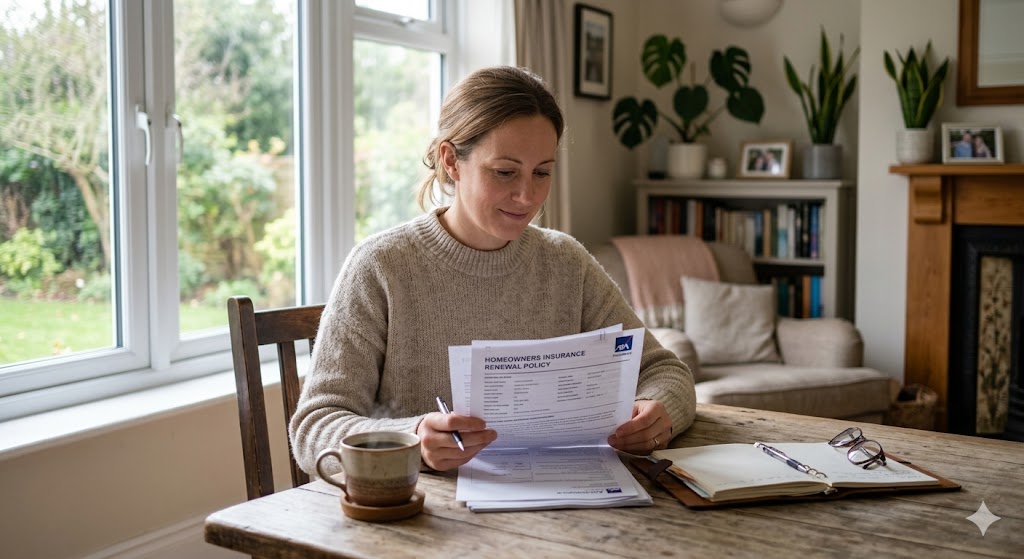
Insurance quotes aren’t static. They change based on market conditions, personal circumstances, and even regional risks.
You should revisit quotes when:
- Your policy renews
- You renovate or upgrade your home
- Local risk factors change (like flood zone updates)
- You bundle or unbundle policies
Even if nothing major changes, checking quotes every year can help you stay aligned with current pricing trends.
Frequently Asked Questions
How many home insurance quotes should I get in NY
It’s generally smart to compare at least three to five quotes to see a meaningful price range.
Are online quotes accurate
They’re usually close estimates, but final prices may change after underwriting review.
Why are New York quotes higher than other states
Higher population density, weather risks, and rebuilding costs all contribute to increased premiums.
Can I get quotes without buying immediately
Yes, most platforms allow you to compare quotes without any obligation.
Does my credit score affect my quote
In many cases, insurers may use credit-based insurance scores as part of their pricing model.
Conclusion
Home insurance quotes in New York can vary more than many homeowners expect. The key is not just collecting quotes, but understanding what drives the differences. By comparing coverage carefully, reviewing your options regularly, and focusing on long-term value, you can choose a policy that fits both your home and your financial comfort level.
https://www.dfs.ny.gov
https://www.fema.gov
https://www.usa.gov
https://www.consumerfinance.gov
This article is for general informational purposes only and does not provide legal, financial, medical, or professional advice. Policies, rates, and regulations may change over time.