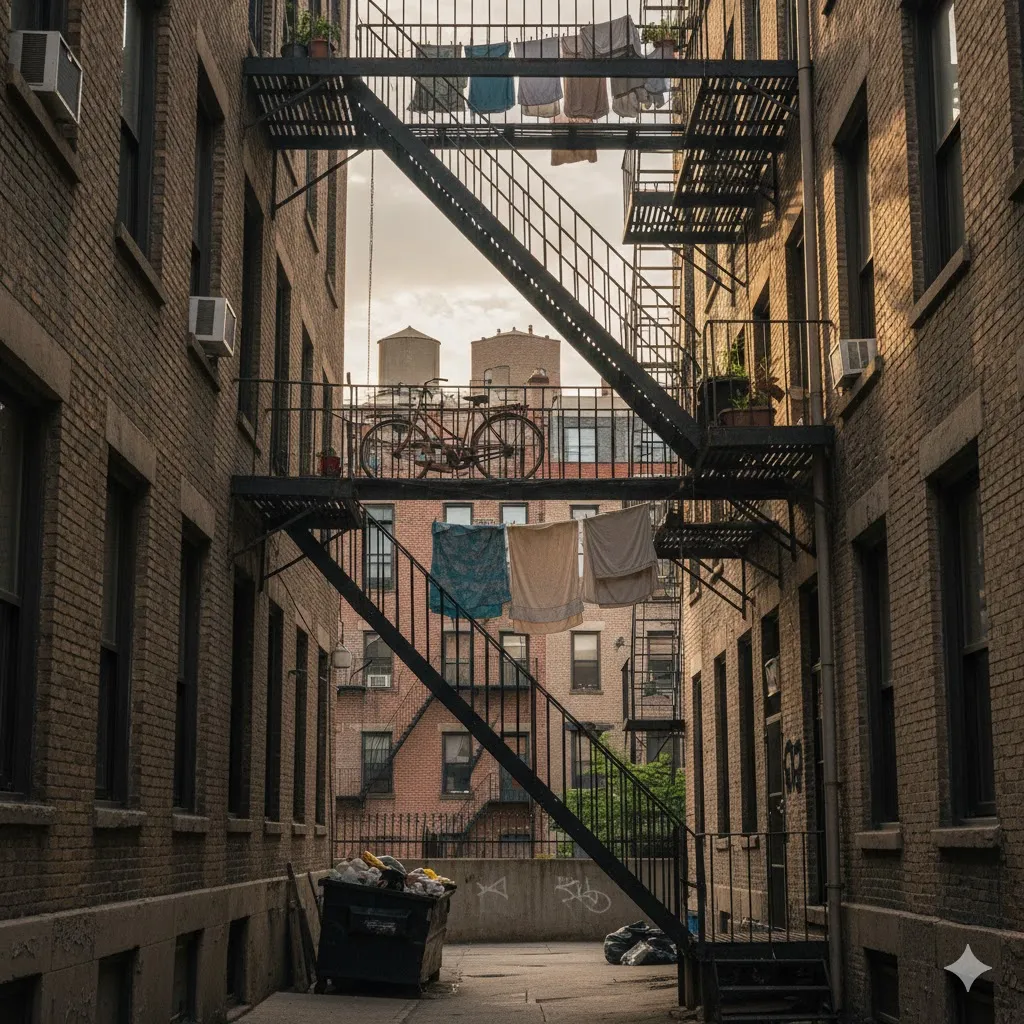
Home coverage in New York refers to the insurance protections that help homeowners recover financially from damage or loss to their property. Whether you live in a bustling NYC borough, the suburbs of Westchester, or rural upstate, having the right home insurance policy ensures your house, belongings, and liability risks are protected when the unexpected happens.
In 2025, understanding the full scope of home coverage—including what’s included, what’s excluded, and how to compare options—is important for smart homeownership.
Disclaimer: This article is for informational purposes only and does not provide legal or insurance advice. Coverage options, pricing, and eligibility vary by insurer, property, and individual circumstances.
What home coverage typically includes in New York
A standard home insurance policy offers several key protections that work together to keep your property secure:
- Dwelling coverage: Protects the physical structure of your home from covered perils like fire, windstorms, and other hazards.
- Other structures coverage: Covers detached structures like garages, sheds, or fences.
- Personal property coverage: Helps repair or replace your belongings if they’re stolen or damaged.
- Liability coverage: Protects you if someone is injured on your property and sues for damages.
- Loss of use (Additional Living Expenses): Pays for temporary housing and related costs if your home becomes uninhabitable after a covered loss.
These components work together to create a broad safety net—protecting your home, belongings, and financial well-being.
Common perils covered under home insurance
Home coverage policies typically cover losses from the following events:
- Fire and smoke damage
- Windstorms and hail
- Lightning strikes
- Theft and vandalism
- Water damage from plumbing failures
- Falling objects (e.g., tree limbs)
It’s important to read your policy carefully, as coverage applies only to specified perils listed in the contract.
What home coverage often does not include
Standard home insurance usually does not cover:
- Flood damage
- Earthquake damage
- Normal wear and tear
- Insect or pest damage
- Mold unrelated to a covered peril
If you live in a flood-prone area (e.g., coastal zones or river basins), consider purchasing separate flood insurance through the National Flood Insurance Program (NFIP) or a private insurer.

How limits and deductibles affect your coverage
Your policy’s coverage limits dictate the maximum the insurer will pay for a claim. Choosing adequate limits ensures repairs reflect real rebuilding costs, not just market value.
The deductible is the amount you pay out of pocket before insurance kicks in. Higher deductibles often mean lower premiums, but also more out-of-pocket cost when you file a claim.
Quick Tip: Estimate rebuilding costs (not market value) to set appropriate dwelling coverage limits that protect you financially.
Discounts that may lower your home coverage cost
Insurance premiums can vary widely, but several discounts may help reduce your cost:
- Multi-policy discount: Bundle home with auto or other insurance.
- Safety and security features: Smoke detectors, alarm systems, and deadbolts.
- Claims-free discount: No recent claims may lower your rate.
- Newer construction: Homes with updated systems often cost less to insure.
Asking your insurer about available discounts can sometimes deliver significant savings.
How to compare home coverage options in New York
When looking at quotes, it’s not just about price—quality and scope matter too:
| Factor | What to Consider |
|---|---|
| Coverage limits | Are they enough to rebuild your home? |
| Deductible size | Can you afford it if you file a claim? |
| Perils included | Does your area need extra coverage? |
| Exclusions | What risks aren’t covered? |
| Insurer ratings | How financially stable is the company? |
Comparing multiple quotes with standardized coverage helps ensure you’re evaluating options accurately.
Pro Insight: A slightly higher premium with broader coverage may save thousands after a loss.
Special considerations for New York homeowners
Property risks vary across the state:
- Urban areas: Liability risks may be higher due to denser populations.
- Coastal regions: Consider additional windstorm or flood risk coverage.
- Upstate/rural: Water backup or sewer coverage may be useful.
Understanding your local risks ensures your home coverage aligns with real-world conditions.
Frequently asked questions about home coverage in NY
Is home coverage required in New York?
Not by law, but most mortgage lenders require it for financed properties.
Does home coverage include flood damage?
No. Flood damage typically requires a separate policy.
How often should I review my home coverage?
Annually or after major home upgrades.
Can I increase coverage limits later?
Yes, updating your policy is possible as your needs change.
Does home coverage protect against theft?
Yes—personal property coverage typically helps replace stolen items.
Trusted U.S. sources for further reading
- New York State Department of Financial Services (DFS) – https://www.dfs.ny.gov
- Insurance Information Institute (III) – https://www.iii.org
- National Association of Insurance Commissioners (NAIC) – https://www.naic.org
- Federal Emergency Management Agency (FEMA) – https://www.fema.gov