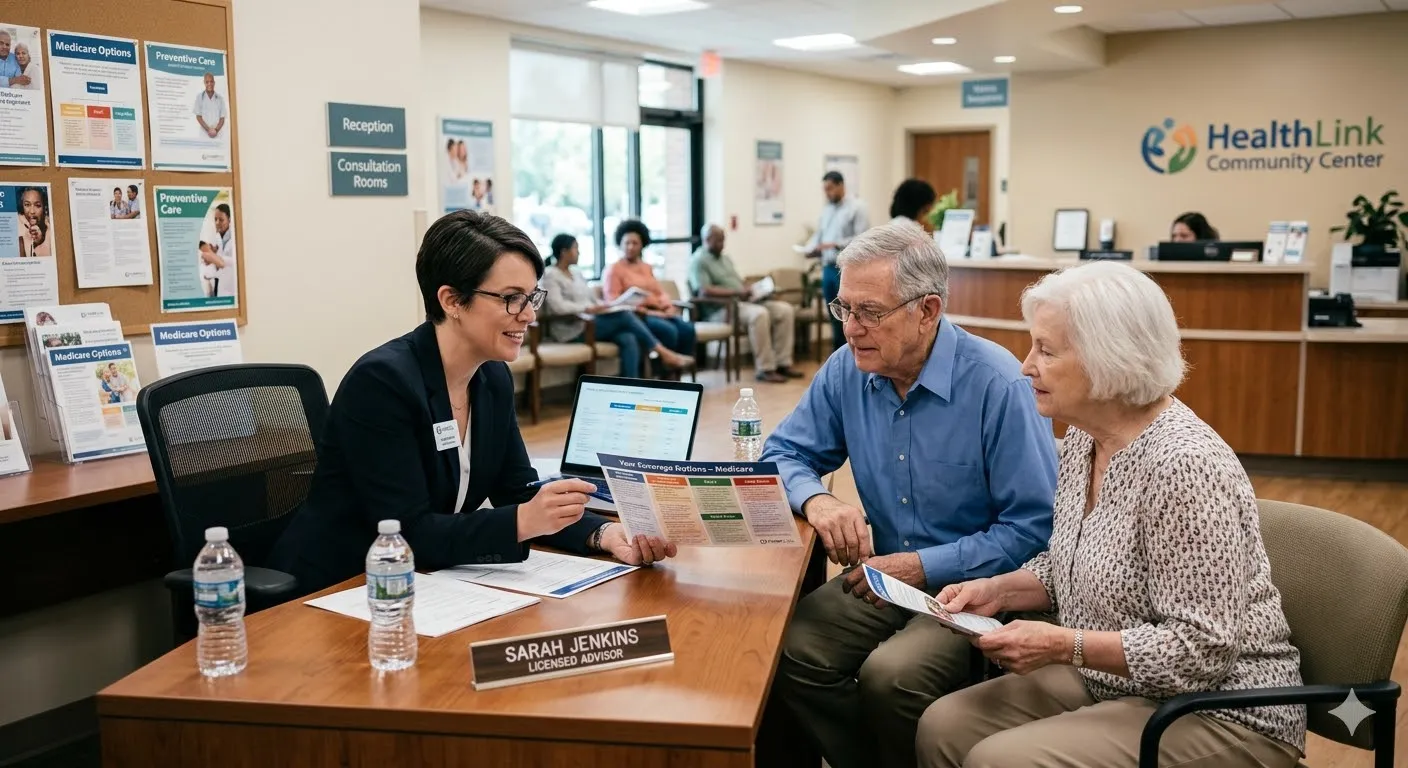

Government health insurance provides medical coverage through programs funded or supported by public institutions. These programs are designed to help individuals and families access healthcare services when private insurance may be unavailable or difficult to afford.
In many countries, government-backed insurance systems support specific groups such as seniors, low-income households, children, or people with disabilities. These programs often reduce healthcare costs by covering essential medical services including doctor visits, hospital care, and preventive treatments.
Understanding how government health insurance works can help individuals determine whether they qualify and how to access available coverage.
What Government Health Insurance Covers
Government health insurance programs typically focus on essential healthcare services that help individuals maintain basic health and receive necessary treatment.

Common coverage areas may include:
• Preventive care such as checkups and screenings
• Doctor and specialist visits
• Hospital stays and emergency treatment
• Prescription medications
• Maternity and newborn care
Coverage levels and eligibility requirements vary depending on the specific program and the region where the program operates.
Major Types of Government Health Insurance
Government-sponsored health insurance programs often target specific groups of the population.
Some widely recognized program categories include:
• Programs for seniors and retirees
• Programs for low-income individuals and families
• Coverage for children in qualifying households
• Healthcare assistance for people with disabilities
These programs aim to ensure that vulnerable populations can receive medical care even when private insurance is not accessible.
Comparing Government Health Insurance Programs
| Program Category | Typical Eligibility | Coverage Focus |
|---|---|---|
| Senior healthcare programs | Adults above retirement age | Medical care and prescriptions |
| Income-based programs | Individuals with limited income | Basic healthcare services |
| Children’s coverage programs | Families with eligible children | Pediatric healthcare |
| Disability coverage programs | People with qualifying disabilities | Long-term medical support |
Each program may have different application processes, documentation requirements, and service networks.
Pro Insight
Public health insurance programs often work alongside private healthcare providers rather than replacing them entirely.
For example, a senior citizen enrolled in a government health program might still receive treatment from private doctors or hospitals that accept the program’s coverage. The government program helps cover a portion of the medical costs according to established rules.
Understanding which providers accept a specific government plan can make accessing care much easier.
Eligibility and Application Process
Eligibility for government health insurance programs typically depends on factors such as age, income level, family status, or disability status.

Applicants often need to provide documentation such as:
• Proof of identity
• Income verification
• Residency documentation
• Medical or disability records when applicable
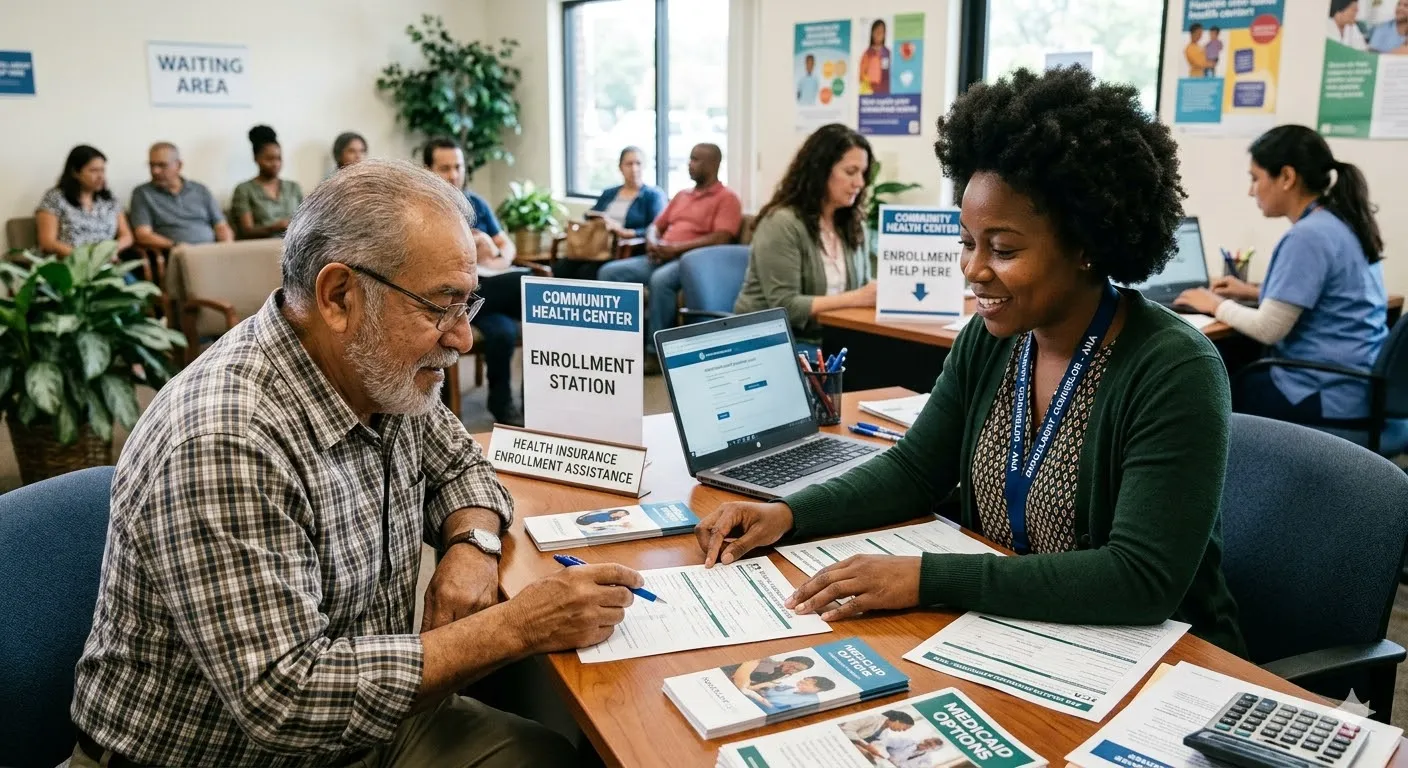
Many programs allow online applications, while others provide assistance through local community centers or healthcare offices.
Quick Tip
Before applying for government health insurance, review the eligibility guidelines carefully. Small differences in income level, household size, or age can determine which program you qualify for.
Benefits of Government Health Insurance
Government health insurance programs offer several advantages for eligible individuals.
Potential benefits include:
• Reduced healthcare costs
• Access to preventive medical care
• Financial protection against major medical bills
• Support for vulnerable populations
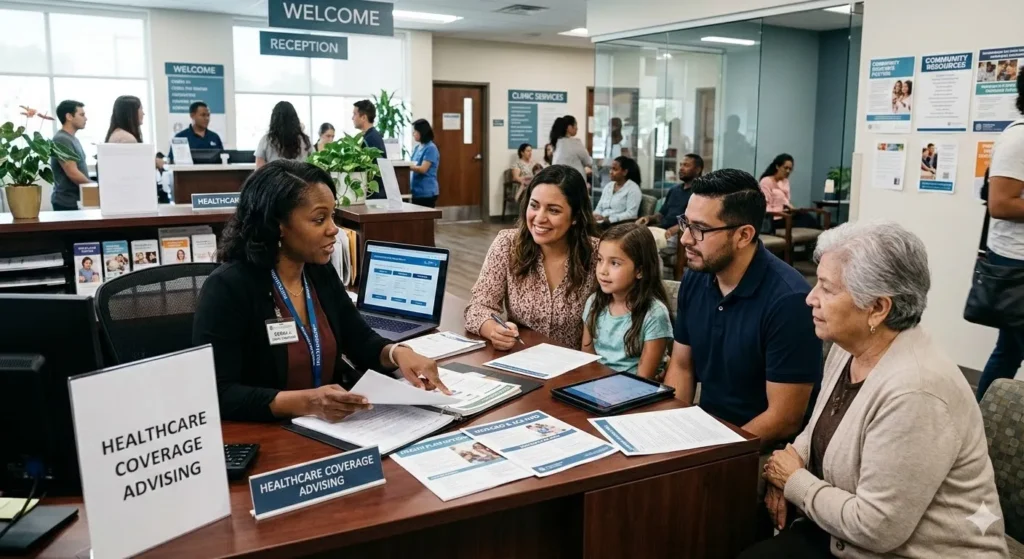
These programs help ensure that basic healthcare services remain accessible to a broad portion of the population.
Frequently Asked Questions
What is government health insurance?
Government health insurance refers to publicly funded healthcare programs that provide medical coverage to eligible individuals and families.
Who qualifies for government health insurance?
Eligibility often depends on factors such as age, income level, disability status, or family circumstances.
Is government health insurance free?
Some programs provide free coverage, while others may require small premiums or copayments depending on income and program structure.
Can people keep private insurance with government coverage?
In some cases, individuals may combine government health coverage with private insurance depending on program rules.
How do people apply for government health insurance?
Applications are usually submitted online through official government websites or through local healthcare assistance offices.
Conclusion
Government health insurance programs play a crucial role in expanding access to medical care. By providing coverage for seniors, low-income families, children, and individuals with disabilities, these programs help ensure that healthcare services remain accessible across diverse populations.
Learning how these programs operate—and whether you qualify—can be an important step toward securing reliable healthcare coverage.
Trusted U.S. Resources
https://www.healthcare.gov
https://www.cms.gov
https://www.medicaid.gov
https://www.usa.gov/health
This article is for general informational purposes only and does not provide legal, financial, medical, or professional advice. Policies, rates, and regulations may change over time.