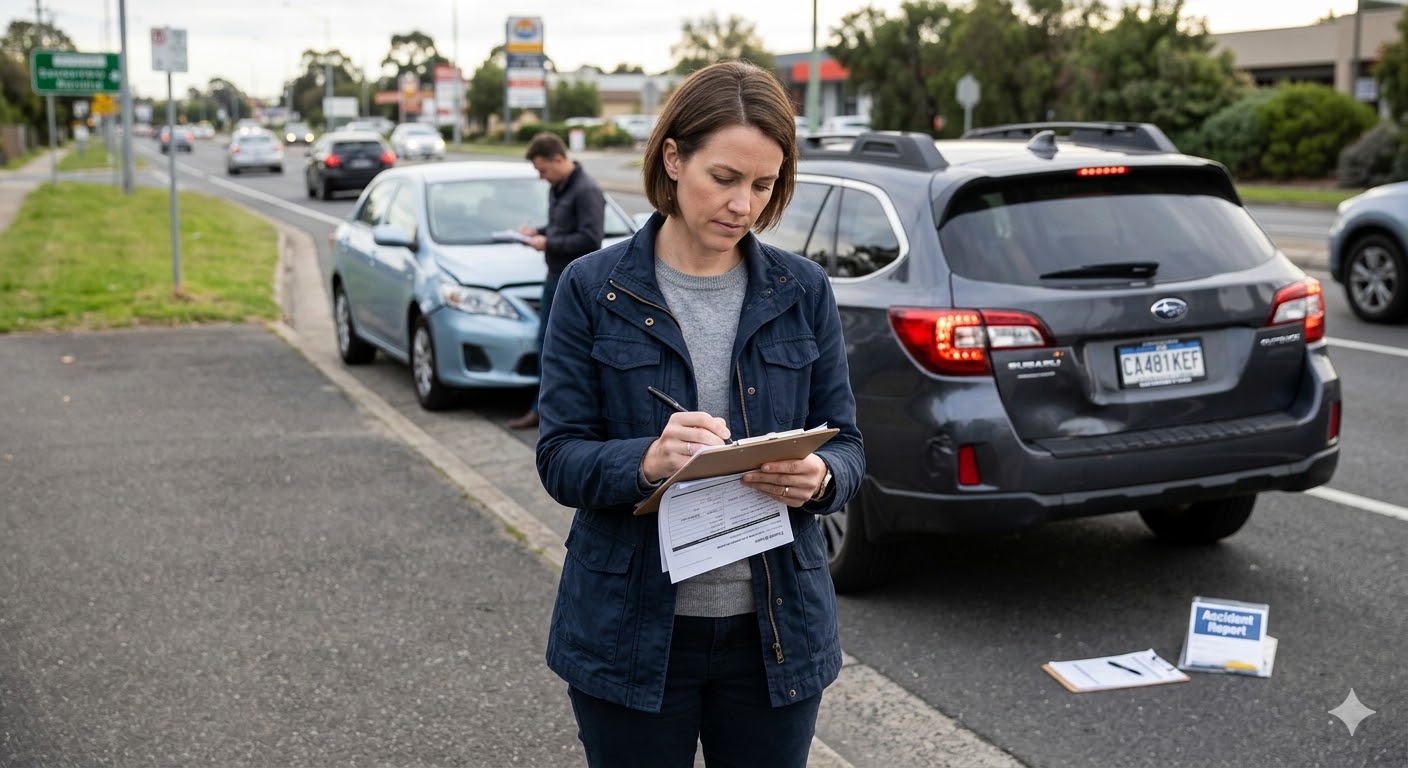

Car insurance can feel complicated, especially when drivers hear the term “full coverage car insurance.” While it sounds like a specific type of policy, the phrase actually describes a combination of coverages that provide broader protection than the minimum insurance required by most states.
For many drivers, full coverage represents a balance between financial protection and everyday practicality. It helps cover damage to your own vehicle, protects against liability if you cause an accident, and may include protection against events that happen outside of collisions.
Understanding what full coverage typically includes—and when it makes sense—can help drivers choose insurance that aligns with their vehicle value, driving habits, and risk tolerance.
What Full Coverage Car Insurance Typically Includes

Full coverage car insurance generally refers to a policy that combines multiple types of protection into one package. While the exact structure can vary between insurers, most full coverage policies include three primary components.
Liability insurance covers injuries or property damage you cause to others in an accident. This protection is required in most states and helps pay for medical expenses, legal costs, and repairs to another person’s vehicle or property.
Collision coverage pays for repairs to your own vehicle after an accident involving another car or object, regardless of who caused the crash.
Comprehensive coverage protects your vehicle from non-collision events. This includes situations such as theft, vandalism, severe weather, or damage caused by falling objects.
Together, these protections create a policy that addresses a wider range of potential incidents than basic liability coverage alone.
Full Coverage Compared With Minimum Insurance
Drivers often hear about both minimum coverage and full coverage when shopping for insurance. The difference lies in how much protection the policy provides.
| Insurance Type | What It Covers | Typical Use Case |
|---|---|---|
| Minimum Coverage | Liability required by state law | Basic legal compliance |
| Full Coverage | Liability plus collision and comprehensive | Broader financial protection |
Minimum coverage policies satisfy legal requirements but usually do not pay for damage to your own vehicle. Full coverage adds that layer of protection, which becomes especially important when driving a newer or financed car.
Lenders commonly require full coverage until a vehicle loan is paid off. This protects the lender’s financial interest if the car is damaged or totaled.
When Full Coverage May Be Worth Considering
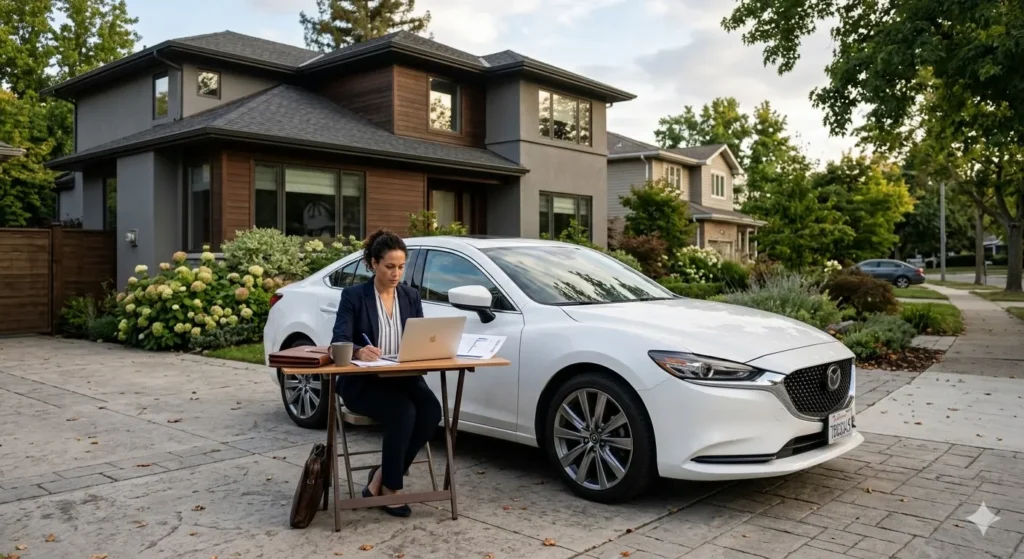
Full coverage is not automatically necessary for every driver. However, there are several situations where it may be worth considering.
Drivers with newer vehicles often benefit from full coverage because repair or replacement costs can be substantial. Collision and comprehensive insurance help protect that investment.
People who finance or lease vehicles typically need full coverage because lenders require it.
Drivers who rely heavily on their vehicle for commuting or family transportation may also value the additional financial protection.
Imagine a driver who recently purchased a three-year-old vehicle. The car still holds significant value, and the owner depends on it for daily commuting. If a storm causes major damage or a collision occurs in heavy traffic, full coverage could help cover repair costs that might otherwise be financially difficult.
This added protection often becomes the main reason drivers select broader policies.
Risks of Skipping Full Coverage
While minimum coverage may satisfy legal requirements, it leaves certain financial risks unprotected.
For example, if your vehicle is stolen or damaged by severe weather, liability insurance alone does not cover repairs. The same is true if you accidentally collide with a guardrail or another object.
In these situations, drivers without collision or comprehensive coverage must pay repair costs themselves.
Depending on the vehicle and damage severity, those expenses can be significant.
Pro Insight
Insurance professionals often suggest reviewing the current market value of your vehicle when deciding whether to keep full coverage.
If repair costs would exceed a large portion of the vehicle’s value, maintaining broader coverage may offer useful protection. However, as vehicles age and depreciate, some drivers eventually transition to liability-only policies to reduce premiums.
Regularly reassessing your coverage helps ensure the policy still matches the vehicle’s value and your financial situation.
Additional Protection Often Included
Many insurers allow drivers to customize full coverage policies with optional features that provide added protection.
These may include roadside assistance, rental car reimbursement, or gap insurance for vehicles with active loans.
Each addition affects the overall cost of the policy, so drivers often evaluate whether these options align with their daily driving needs.
Quick Tip
If you are comparing insurance policies, look beyond the monthly premium. Deductibles, coverage limits, and optional protections can all influence how useful a policy becomes after an accident.

Frequently Asked Questions
What does full coverage car insurance actually cover?
Full coverage usually includes liability insurance along with collision and comprehensive coverage. This combination protects both other drivers and your own vehicle in a wide range of incidents.
Is full coverage required by law?
No. Most states only require liability insurance. However, lenders often require full coverage for financed or leased vehicles.
Is full coverage always more expensive?
Full coverage generally costs more than minimum coverage because it includes additional protections. The price depends on factors such as vehicle type, driving history, location, and deductibles.
Can I remove full coverage later?
Yes. Drivers often adjust their insurance policies as their vehicle ages or financial needs change. Many switch to liability-only coverage once a car’s value decreases significantly.
Does full coverage protect against theft or weather damage?
Yes. Comprehensive coverage, which is part of most full coverage policies, typically protects against theft, vandalism, and certain weather-related damage.
Conclusion
Full coverage car insurance provides broader protection than basic liability policies by covering damage to your own vehicle as well as accidents involving other drivers. For many motorists, it offers peace of mind when driving newer cars, financing vehicles, or commuting regularly.
While the added protection can increase premiums, it also reduces the financial burden that unexpected accidents or non-collision events may cause.
Evaluating vehicle value, driving habits, and personal risk tolerance can help drivers determine whether full coverage aligns with their insurance needs.
Trusted U.S. Resources
https://www.usa.gov
https://www.consumerfinance.gov
https://www.nhtsa.gov
https://www.naic.org
This article is for general informational purposes only and does not provide legal, financial, medical, or professional advice. Policies, rates, and regulations may change over time.