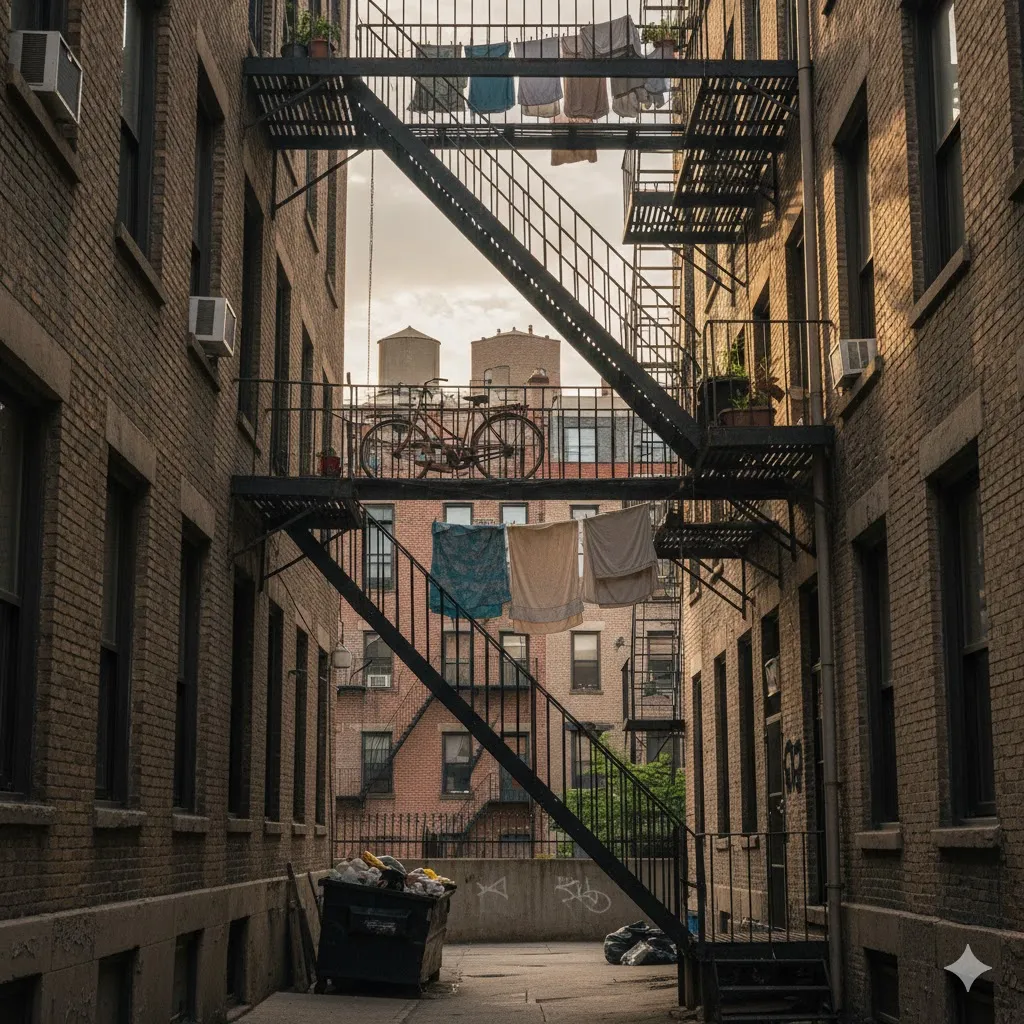
Fire insurance in New York is a type of property coverage that helps protect your home or commercial property from losses due to fire and related hazards. In a state with diverse weather patterns and a wide range of building types—from high-rise apartments in NYC to historic homes upstate—understanding fire insurance is essential for homeowners, renters, and business owners alike.
In 2025, fire risks continue to be a significant concern for insurers and property owners. Whether you’re buying a policy for the first time or renewing coverage, knowing what fire insurance protects—and what it may exclude—can make all the difference when disaster strikes.
Disclaimer: This article is for informational purposes only and does not constitute legal or insurance advice. Coverage options, pricing, and requirements vary by insurer and individual circumstances.
What fire insurance actually is
Fire insurance is a component of property insurance that pays for repairs or rebuilding if your home or business is damaged or destroyed by fire. In most traditional homeowners or commercial property policies, fire coverage is included as part of the overall package rather than standing alone.
It typically protects against:
- Direct loss from fire
- Damage caused by flames, smoke, or soot
- Fire department service charges
- Resulting water damage from firefighting efforts
For renters, fire insurance usually covers personal property and liability, rather than the structure itself.
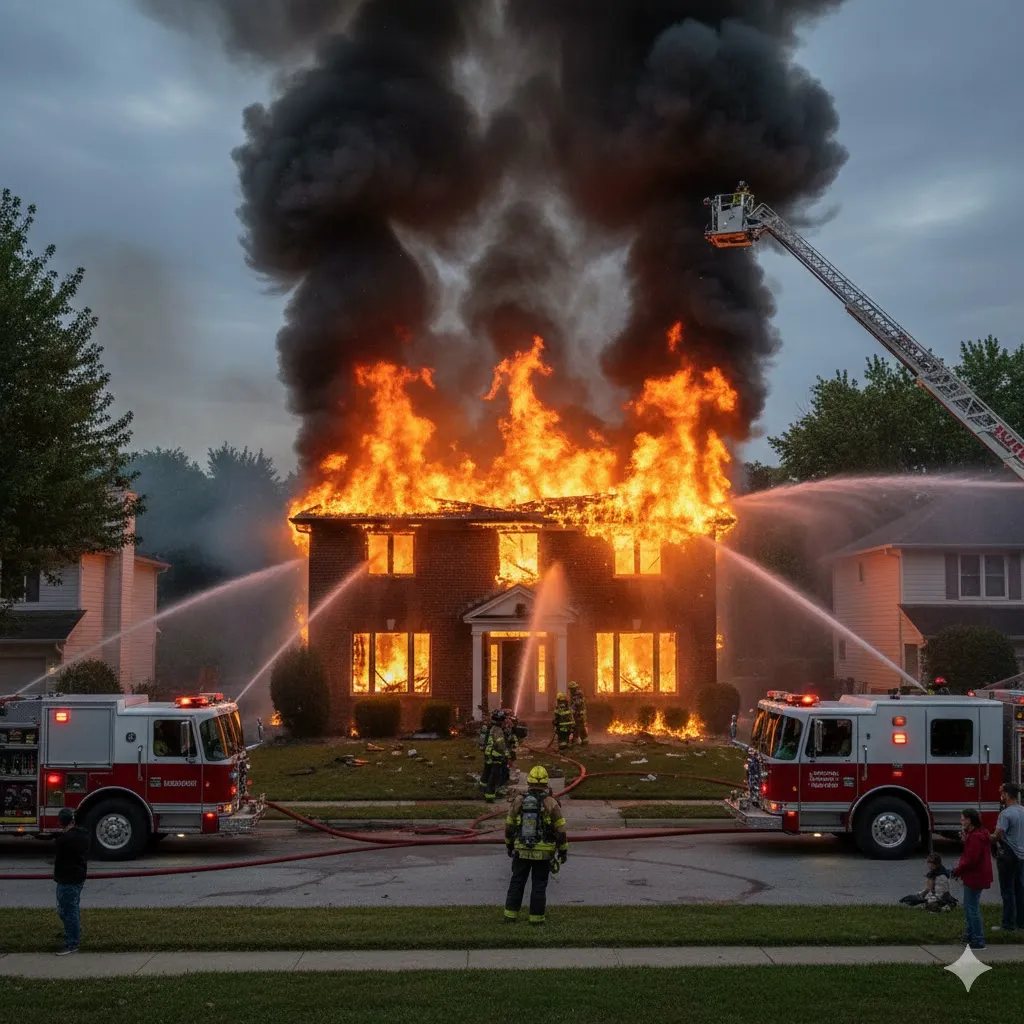
How fire insurance works in New York
When you purchase property insurance—such as homeowners, landlord, or commercial property insurance—fire coverage is generally included under the dwelling or building protection part of your policy.
In case of a covered fire loss:
- You report the claim to your insurer promptly.
- An adjuster assesses the damage.
- Covered repair and rebuilding costs are paid up to your policy limits, after your deductible is applied.
For homeowners, dwelling coverage helps rebuild the structure, while personal property coverage may replace contents damaged by the fire.
Fire insurance vs standalone coverage
Most New York property insurance policies include fire coverage automatically. However, in certain situations you may need additional or enhanced coverage:
| Coverage Type | What It Covers | When It’s Used |
|---|---|---|
| Standard fire insurance (included) | Fire damage to structure and belongings | Typical home or business policy |
| Extra fire/loss coverage | Expanded perils related to heat/fire | High-risk areas or custom policies |
| Separate fire policy | Fire only, no other perils | Specific commercial needs |
Pro Insight: Even when fire coverage is included, reviewing the limits and deductibles ensures they match your actual rebuilding costs—not just market value.
Factors that influence fire insurance costs in NY
Several factors affect how much fire insurance costs, including:
- Location: Urban vs. rural settings, distance to fire stations
- Construction type: Brick and fire-resistant materials often cost less to insure
- Age of property: Older homes may have higher premiums
- Safety features: Smoke alarms, sprinkler systems, and fire extinguishers can reduce costs
- Claims history: Recent claims may increase premiums
A realistic scenario: two houses of equal value might have very different fire insurance costs if one is near a fire hydrant and the other is in a remote location with limited firefighting access.
Quick Tip: Installing and maintaining fire safety systems can sometimes lower your insurance premium without reducing coverage.
What fire insurance typically does not cover
Standard fire coverage—while broad—usually excludes:
- Flood or earthquake damage
- Normal wear and tear
- Intentional damage
- Mold or rot not caused by a covered fire event
Flood insurance, in particular, is not included and must be purchased separately, often through the National Flood Insurance Program (NFIP) or a private insurer.
How to compare fire insurance policies in New York
When comparing policies, focus on more than price:
- Coverage limits: Are they sufficient to rebuild your home or business?
- Deductibles: Higher deductibles lower premiums but increase out-of-pocket cost after a claim.
- Exclusions: Know what perils are not covered.
- Discounts: Multi-policy, safety feature, and claims-free discounts can add up.
Ask for at least three quotes with standardized coverage to make an apples-to-apples comparison.
Is fire insurance enough on its own?
Fire insurance is an important component of property protection, but it’s usually part of broader property insurance rather than a standalone solution for most homeowners or business owners.
Depending on your property and risk profile, you may consider:
- Windstorm or hail coverage (often needed in coastal areas)
- Earthquake insurance for seismic zones
- Flood insurance if your area is prone to flooding
Reviewing your full risk picture ensures you’re not caught unprotected after a serious event.
Frequently asked questions about fire insurance in NY
Is fire coverage required in New York?
Not by law, but mortgage lenders typically require proof of property insurance that includes fire protection.
Does fire insurance cover smoke damage?
Yes, most standard policies include smoke and soot damage from a covered fire.
Will fire insurance pay for temporary housing?
Many policies include loss of use or additional living expense coverage if your home is uninhabitable.
Can commercial fire insurance costs be different?
Yes. Commercial policies vary based on occupancy type, business assets, and fire protection systems.
Should I review fire coverage annually?
Yes. Property values, rebuilding costs, and local risk factors can change over time.
Trusted U.S. sources for further reading
- New York State Department of Financial Services (DFS) – https://www.dfs.ny.gov
- Insurance Information Institute (III) – https://www.iii.org
- National Association of Insurance Commissioners (NAIC) – https://www.naic.org
- Federal Emergency Management Agency (FEMA) – https://www.fema.gov