
Fire insurance in New York is a critical part of protecting your home and property from one of the most destructive risks. While many homeowners assume it’s a separate policy, fire insurance NY coverage is usually included within standard homeowners or property insurance policies. Understanding how it works can help you avoid costly surprises.
What Fire Insurance Covers in New York
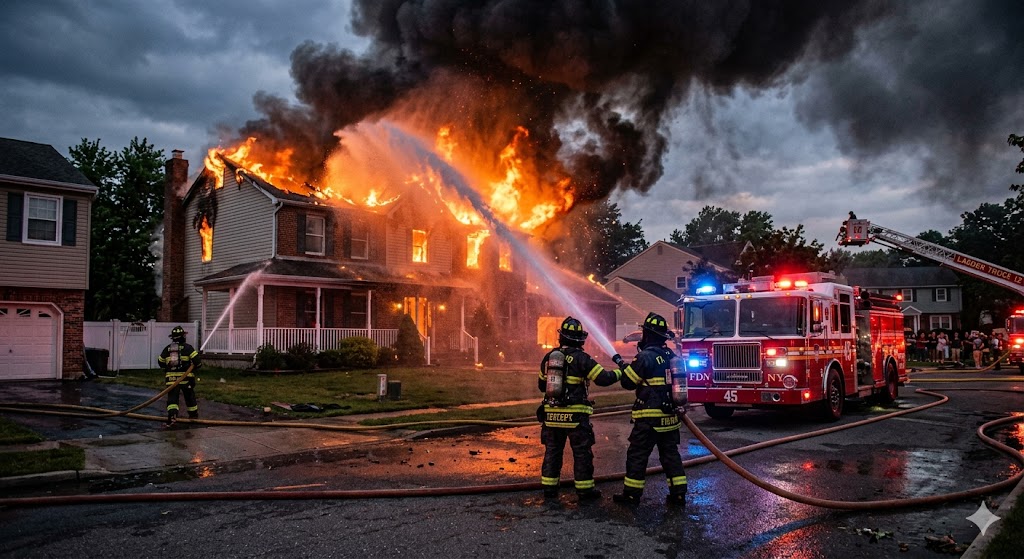
Fire insurance protects against damage or total loss caused by fire-related incidents. In most cases, this coverage is built into standard homeowners insurance policies rather than sold separately.
Typical coverage includes:
- Dwelling protection for the structure of your home
- Other structures like garages or sheds
- Personal property such as furniture, electronics, and clothing
- Additional living expenses if you need temporary housing after a fire
- Liability coverage if someone is injured due to the fire
Covered fire causes often include kitchen accidents, electrical faults, lightning strikes, and heating system malfunctions.
Types of Fire Insurance Options in NY
Not all properties fit standard insurance policies, so New York offers different ways to get fire protection.
| Policy Type | Coverage Scope | Best For |
|---|---|---|
| Standard Homeowners | Fire + multiple risks | Most homeowners |
| Dwelling Fire Policy | Fire-focused + limited extras | Rentals, vacant, seasonal homes |
| FAIR Plan (NYPIUA) | Basic fire + extended perils | High-risk or hard-to-insure homes |
The New York Property Insurance Underwriting Association (NYPIUA) provides coverage for properties that traditional insurers may decline, including protection against fire and related risks like smoke and explosion.
What Fire Insurance Does NOT Cover
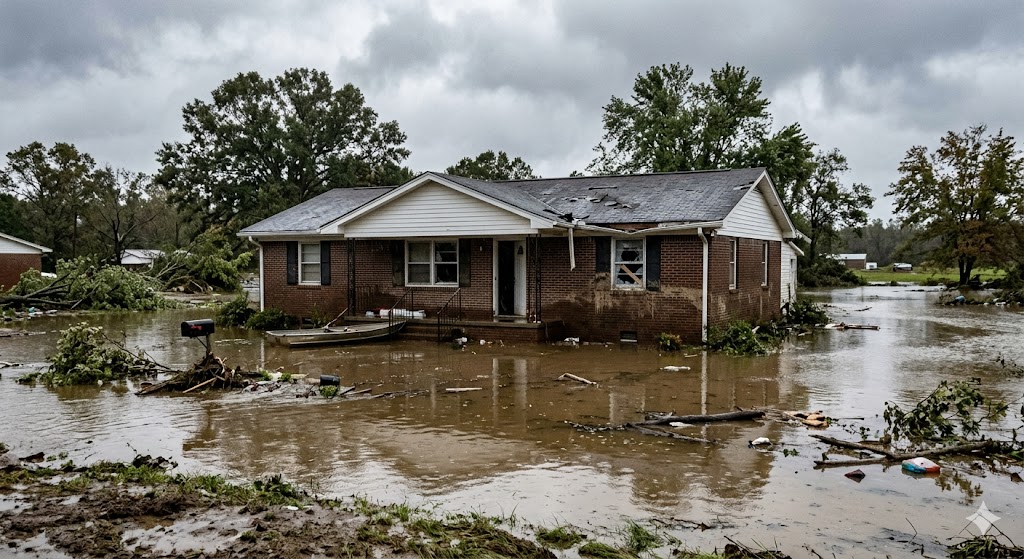
Even though fire coverage is broad, there are important exclusions.
Most policies do not cover:
- Intentional fires caused by the homeowner
- Damage due to neglect (like ignoring faulty wiring)
- Certain wildfire risks in high-risk zones (may require extra coverage)
- Related events like floods or earthquakes
Flood damage, for example, always requires a separate policy in New York.
Pro Insight
Many homeowners assume wildfire or smoke damage is always covered. In reality, coverage can vary by location and insurer. Reviewing your policy details—especially if you live near wooded or coastal areas—can prevent unexpected gaps.
How Fire Insurance Works in Practice
When a fire occurs, the claims process typically follows a structured path.
First, the insurer assesses the damage to your home and belongings. Then, coverage applies based on your policy limits.
A simple scenario illustrates this. A kitchen fire damages part of a home. The policy covers structural repairs, replaces damaged furniture, and pays for temporary housing while repairs are completed. However, reimbursement is limited to the coverage amount selected when the policy was purchased.
This is why choosing adequate coverage limits matters.
Quick Tip
Make sure your policy covers replacement cost, not just actual cash value. Replacement cost coverage helps pay for rebuilding or replacing items at current prices, not depreciated value.
Factors That Affect Fire Insurance Costs in NY
Several elements influence how much you’ll pay for fire-related coverage.
Location
Homes in dense urban areas or regions with higher fire risk may have higher premiums.
Property condition
Older homes or outdated electrical systems can increase risk and cost.
Construction materials
Fire-resistant materials may lower premiums.
Coverage limits and deductibles
Higher coverage and lower deductibles typically increase premiums.
New York insurers also factor in weather patterns, building density, and emergency response accessibility.
When You Might Need Additional Fire Coverage

While standard policies cover most fire risks, some situations require extra protection.
You may need additional coverage if:
- Your home is in a high-risk wildfire area
- You own a vacant or seasonal property
- Your home doesn’t qualify for standard insurance
- You want higher limits for rebuilding costs
Specialized dwelling fire policies are often used for rental or second homes that don’t meet typical homeowner policy requirements.
Frequently Asked Questions
Is fire insurance required in New York
It’s not required by law, but mortgage lenders usually require homeowners insurance that includes fire coverage.
Is fire insurance separate from homeowners insurance
In most cases, it’s included within a standard homeowners policy.
Does fire insurance cover wildfires
Often yes, but in higher-risk areas, additional coverage or separate policies may be needed.
What happens if my home is destroyed by fire
Insurance typically covers rebuilding, replacing belongings, and temporary living expenses up to policy limits.
How do I know if I have enough coverage
Compare your policy limits to current rebuilding costs and the value of your belongings.
Conclusion
Fire insurance in New York is a foundational part of property protection, usually built into standard homeowners policies. While coverage is broad, understanding exclusions, limits, and when to add extra protection is essential. By reviewing your policy carefully and aligning it with your property’s risks, you can ensure your coverage works when you need it most.
https://www.dfs.ny.gov
https://www.fema.gov
https://www.usa.gov
https://www.hud.gov
This article is for general informational purposes only and does not provide legal, financial, medical, or professional advice. Policies, rates, and regulations may change over time.