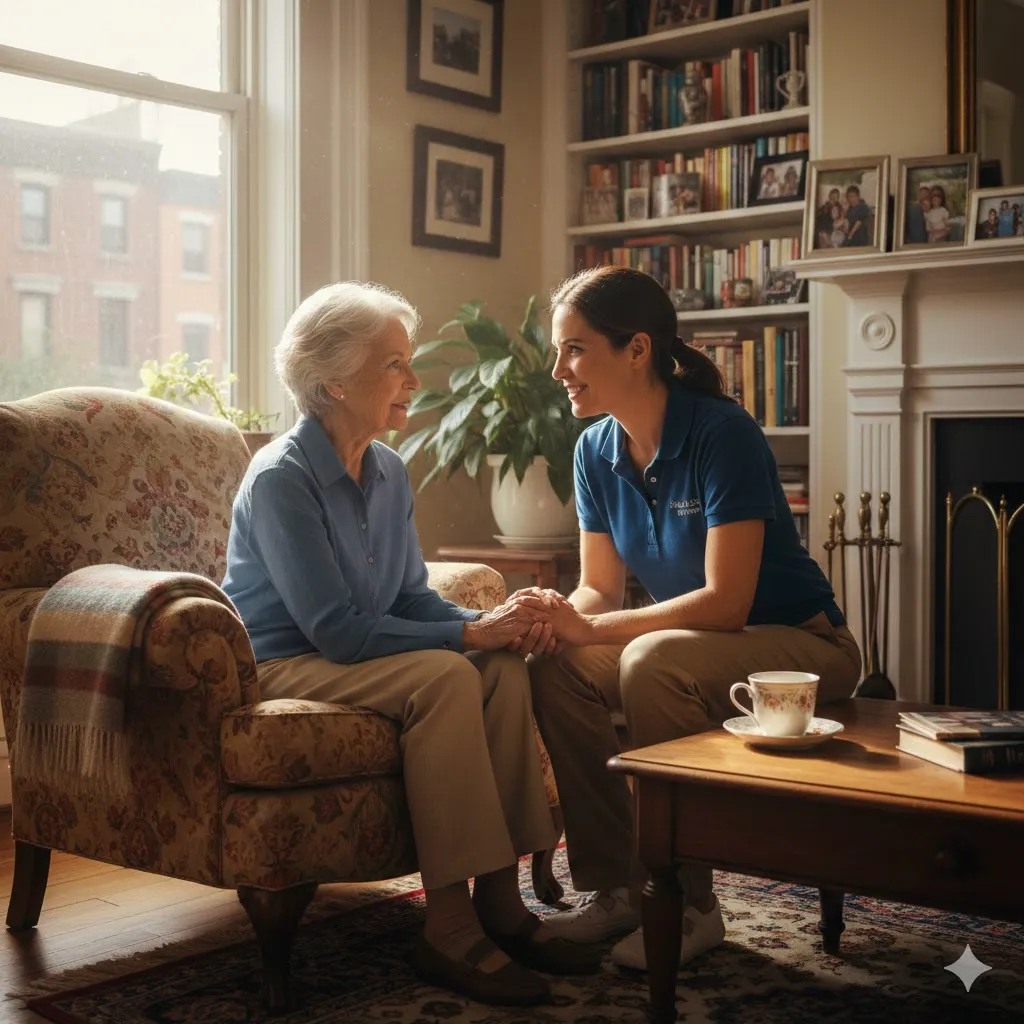

New York is one of the most expensive states in the U.S. for long-term senior care. Between rising nursing home prices, assisted living fees, and in-home caregiver costs, many families are turning to elder care insurance (also called long-term care insurance or LTC insurance) to protect their savings and ensure quality care for aging loved ones.
This 2025 guide explains everything New Yorkers need to know—coverage types, state rules, costs, approval requirements, and how to choose the best elder care insurance plan.
1. What Elder Care Insurance Means in New York
Elder care insurance helps pay for support when someone can no longer live independently and needs long-term assistance. It is commonly used by adults planning for aging parents and by older New Yorkers preparing for retirement.
Common services covered
- In-home health aides
- Assisted living facilities
- Nursing homes
- Memory care units (Alzheimer’s/dementia)
- Adult day care
- Respite care for family caregivers
Unlike traditional health insurance or Medicare, elder care insurance covers long-term custodial care, which is the most expensive category of senior support.
2. Why Elder Care Insurance Is Especially Important in New York
New York has some of the highest long-term care costs in the U.S. due to labor shortages, high operating costs, and demand from an aging population.
Average NY elder care costs (2025)
- Nursing home: $175,000–$220,000 per year
- Assisted living: $75,000–$100,000 per year
- In-home care: $65,000–$85,000 per year
Without a plan, many families face financial strain or rapid asset depletion.
3. Types of Elder Care Insurance Available in NY
1. Traditional LTC Insurance
Covers long-term care services for a set daily or monthly benefit.
Pros:
- Comprehensive coverage
- Flexible care settings
- Lower premiums than hybrids (initially)
Cons:
- Premiums may increase over time
- “Use it or lose it” structure (no death benefit)
2. Hybrid Life Insurance + LTC Riders
A life insurance policy that includes LTC benefits if you need care.
Pros:
- If LTC is never needed, beneficiaries receive a payout
- Premiums are usually guaranteed not to increase
- Popular option among New York retirees
Cons:
- Higher upfront cost
- Requires underwriting approval
3. Hybrid Annuity + LTC Coverage
Uses annuity funds to multiply LTC benefit value.
Pros:
- Tax-advantaged
- Good for people with existing assets
- Flexible benefit structure
Cons:
- Requires lump-sum investment
4. Elder Care Insurance Rules & Protections in New York
New York has some of the strongest consumer protections in the U.S.
Key NY regulations
- Guaranteed renewable policies — insurers cannot cancel your policy if premiums are paid
- Mandatory benefit standards for LTC policies
- Disclosure rules requiring clear explanations of benefits and exclusions
- Free-look period for cancellations
- Rate increase oversight by the NY Department of Financial Services
NY State Partnership Policies
A unique benefit for New Yorkers.
These policies allow you to protect personal assets equal to the amount your insurance pays out if you later apply for Medicaid.
Example:
Your policy pays $300,000 → you can qualify for Medicaid while keeping $300,000 of your savings.
A strong advantage for retirees with assets to protect.
5. Eligibility Requirements for Elder Care Insurance in NY
Age
Common approval ages: 30–79
Health Underwriting
Insurers review:
- Medical history
- Prescription history
- Cognitive screening
- Functional abilities
Benefit Triggers
Most policies pay when you cannot perform 2 of 6 ADLs (Activities of Daily Living):
- Bathing
- Dressing
- Eating
- Toileting
- Transferring
- Continence
Or if diagnosed with cognitive impairment.
6. Costs of Elder Care Insurance in New York
Premiums vary based on:
- Age at application
- Health
- Daily benefit amount
- Benefit period
- Policy type (traditional vs hybrid)
- Inflation protection
Typical annual premiums (approximate ranges)
- Age 50: $1,600–$3,000
- Age 60: $2,500–$4,500
- Age 70: $4,000–$8,000+
Hybrid policy premiums may be higher but offer more guarantees.
7. Comparison Table: Elder Care Coverage Options in NY
| Type | Benefit | Cost | Notes |
|---|---|---|---|
| Traditional LTC | Comprehensive coverage | Medium–High | Premiums can rise |
| Hybrid Life + LTC | LTC + death benefit | Higher | Best for estate planning |
| Hybrid Annuity + LTC | Tax-advantaged | Lump sum required | Good for asset leverage |
| Partnership LTC | Medicaid asset protection | Varies | Unique NY advantage |
Pro Insight
In New York, the cost difference between home care and facility care is smaller than in many states. This makes comprehensive policies—covering both home and facility care—especially valuable for maintaining independence and dignity while aging.
Quick Tip
Always choose inflation protection, ideally 3–5% compound. New York’s elder care costs rise quickly, and a policy without inflation coverage may become insufficient within 10–15 years.
FAQs
1. Is elder care insurance worth it in New York?
For many families, yes—because NY long-term care costs are so high that insurance protects assets and ensures flexible care options.
2. What age is best to buy elder care insurance?
Most advisors recommend applying between 45–60 to lock in lower premiums and better health ratings.
3. Does Medicare cover elder care?
Medicare does not cover long-term custodial care. It only covers short-term rehabilitation or medical treatment.
4. Do all policies cover dementia or Alzheimer’s?
Most modern NY LTC policies cover cognitive impairment as a benefit trigger.
5. Can I be denied elder care insurance?
Yes, if underwriting finds serious medical conditions. Applying earlier improves chances.
Authoritative Sources
Conclusion
Elder care insurance is an essential planning tool for New Yorkers navigating the rapidly rising costs of long-term care. By choosing the right type of coverage—traditional or hybrid—and understanding NY’s unique rules and benefits, you can protect your assets, secure quality care, and reduce the emotional and financial burden on your family.
Early planning is the key to affordability and peace of mind.