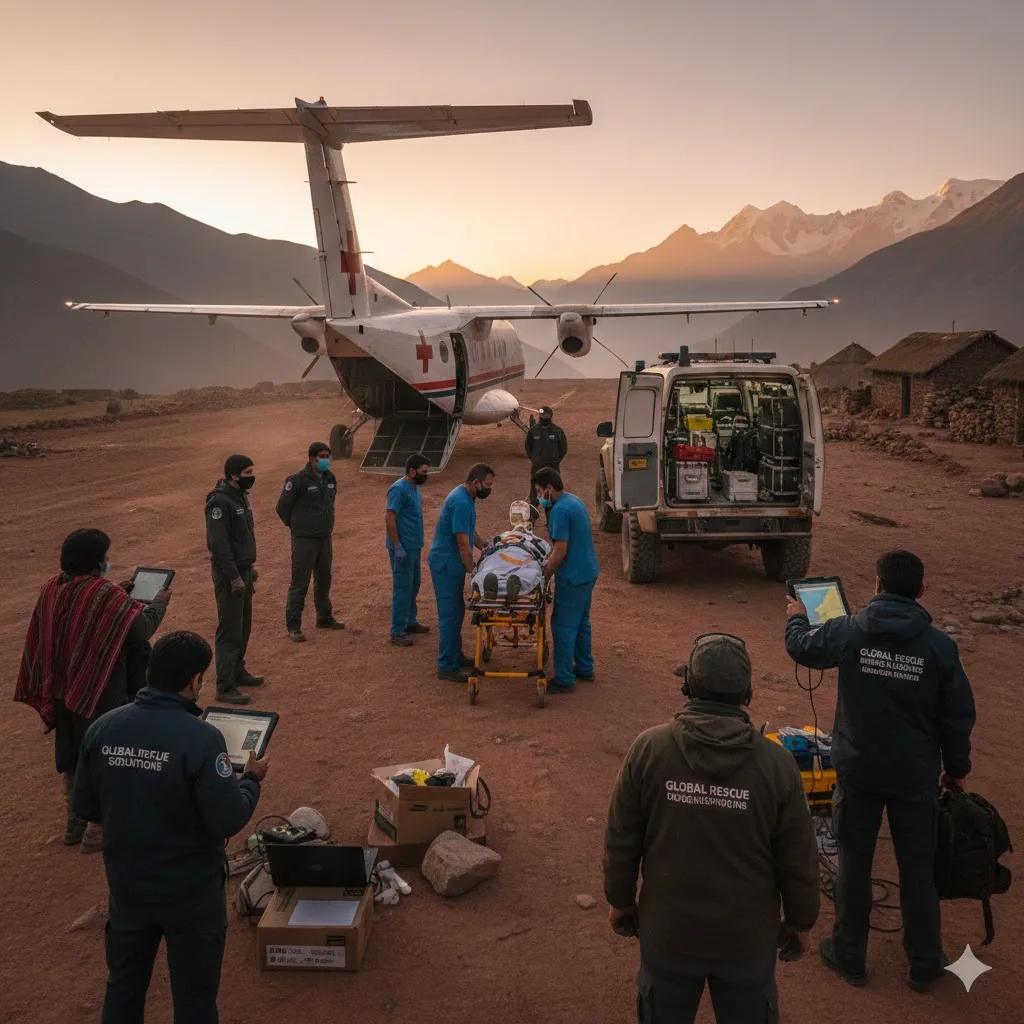
Business trips often come with packed schedules, client meetings, and tight deadlines. But what happens when a flight is canceled, luggage is lost, or a medical emergency strikes while you’re halfway across the globe? That’s where business travel insurance becomes more than a “nice-to-have” — it’s a smart safeguard for professionals on the move.
In 2026, travel risks and costs continue to rise, and employers and solo business travelers alike are prioritizing coverage that protects employees and trip investments without unnecessary financial exposure.
This article is for general informational purposes only and does not provide legal, financial, medical, or professional advice. Policies, rates, and regulations may change over time.
What Business Travel Insurance Actually Covers
Business travel insurance isn’t just one policy — it’s a bundle of protections that can be customized to fit your trip, distance, and purpose.
Trip Cancellation and Interruption
Imagine landing in Chicago for a conference only to learn it’s been postponed. Quality business travel insurance reimburses non-refundable trip costs when covered reasons force a cancellation or early return.
Emergency Medical and Evacuation
Medical costs abroad can be costly, and U.S. health insurance often doesn’t extend overseas. With business travel insurance, emergency medical care, hospital stays, and even medically necessary air evacuation can be included.
Lost Luggage and Personal Items
A delayed bag can mean lost presentations, uniforms, or tech gear. Coverage may reimburse reasonable replacement costs for checked and carry-on items.

Why Standard Health or Corporate Plans May Not Be Enough
Company Health Plans Have Gaps
Many employer-sponsored health plans offer excellent domestic coverage but limited or no international benefits. Meanwhile, business travel insurance fills that gap for work trips abroad.
Corporate Policies Vary
Large companies often carry master insurance, but coverage limits, deductibles, and included perils can differ widely. Smaller businesses or freelancers typically need a separate travel insurance policy.
Types of Business Travel Insurance Options
| Coverage Type | What It Covers | When It Helps |
|---|---|---|
| Trip Cancellation & Interruption | Reimburses prepaid costs | Flight cancellations, illness |
| Emergency Medical | Overseas medical bills | Unexpected injury or sickness |
| Evacuation & Repatriation | Medical transport home | Serious health emergencies |
| Baggage & Personal Effects | Lost or damaged items | Misplaced or delayed luggage |
| Travel Delay | Meals & accommodations | Long delays due to weather or strikes |
This table illustrates how tailored policies can protect against specific trip-related losses.

Pro Insight
Many seasoned business travelers bundle insurance with corporate travel programs or loyalty portals. Always review annual policy limits and per-trip maximums — “unlimited” isn’t always what it seems.
How to Choose the Right Policy
Evaluate Risk Based on Destination
Travel to remote areas or regions with limited healthcare infrastructure may warrant higher medical and evacuation limits.
Consider Trip Value
Total prepaid costs — flights, hotels, event registrations — help determine the level of cancellation coverage you need.
Read Exclusions Carefully
Lost equipment associated with work (e.g., laptops or specialized gear) may require additional riders or higher personal property limits.
Ask About Family Add-Ons
If you’re combining business with personal travel, some plans allow family members to be added at lower rates.

Quick Tip
Always carry digital and physical copies of your policy details, emergency contact numbers, and claim instructions. If you need assistance abroad, most insurers offer 24/7 hotlines — save them in your phone before departure.
Frequently Asked Questions
Do I need business travel insurance if my company provides coverage?
Even with corporate plans, individual travel insurance can fill gaps, especially for international medical care and evacuation.
What’s typically not covered?
Pre-existing conditions without proper riders, certain adventure activities, and intentional misuse usually aren’t covered.
How soon should I buy a policy?
Typically soon after booking your trip — often within 10–21 days — to qualify for “cancel for any reason” upgrades.
Is business travel insurance expensive?
Costs vary based on trip length, destination, and coverage levels, but many policies are affordable relative to potential out-of-pocket losses.
Can I extend coverage if my trip changes?
Yes — many insurers allow mid-trip extensions with updated trip details.
Conclusion
Business travel insurance remains a smart investment in 2026 — not because travel always goes wrong, but because when it does, the financial and logistical consequences can be significant.
Whether you’re a frequent flyer for work or planning a single business trip, evaluating your risks, comparing policy features, and selecting appropriate limits will help ensure you’re protected without overspending.
Trusted U.S. Resources
U.S. Department of State – Travel Insurance Information
https://travel.state.gov/
Federal Trade Commission – Travel Insurance Advice
https://consumer.ftc.gov/
National Association of Insurance Commissioners
https://www.naic.org/
Centers for Medicare & Medicaid Services – International Travel & Health
https://www.cms.gov/