
Discover top-rated home insurance companies in NY with tailored coverage, real homeowner stories, and expert tips to choose the right policy.
Homeowners searching for home insurance companies NY often face one big challenge: finding coverage that truly fits local risks. From coastal storms to freezing winters, New York homes demand policies that go beyond the basics. This guide walks you through trusted insurers, real-life situations, and smart ways to compare options—so you can protect your home with confidence.
Why Home Insurance in NY Needs Extra Attention
New York brings a mix of risks that vary by region. Coastal homeowners worry about wind and water, while upstate residents face snow load and burst pipes. Because of this, insurance choices matter more than many people expect.
For example, a Queens homeowner who upgraded their kitchen assumed their policy updated automatically. Still, after a small fire, they learned their coverage limits hadn’t changed. Meanwhile, a Buffalo family avoided major losses during a blizzard because their insurer covered temporary housing quickly.
These everyday moments show why insurer choice really matters.
Well-Known Home Insurance Companies in NY
New York homeowners often compare these established providers:
| Company | Best For | Key Strength | Customer Experience |
|---|---|---|---|
| State Farm | Personalized support | Strong local agents | ⭐⭐⭐⭐✦ |
| Allstate | Custom add-ons | Digital claim tools | ⭐⭐⭐⭐ |
| USAA* | Military families | Consistently low rates | ⭐⭐⭐⭐⭐ |
| Amica Mutual | Claim satisfaction | Dividend policies | ⭐⭐⭐⭐✦ |
| Erie Insurance | Value-focused homes | Regional expertise | ⭐⭐⭐⭐ |
*USAA eligibility applies to military members and their families.
What Makes These Insurers Stand Out
Each company serves New York homeowners a little differently.
State Farm focuses on local agent relationships, which helps with complex claims. Allstate appeals to homeowners who like managing policies online. USAA continues to rank high for satisfaction, especially during claims. Amica Mutual often shines when repairs are needed fast. Erie Insurance tends to work well for homeowners outside major metro areas.
However, coverage details matter just as much as brand names. Many standard policies exclude flood damage or sewer backups, which are common issues in New York neighborhoods.
Comparing NY Home Insurance the Smart Way
When reviewing quotes, focus on more than just monthly cost.
Coverage limits should match rebuilding costs, not home value. Endorsements should reflect local risks. Claim history and customer satisfaction often matter more than a small price difference.
Quick Tip: Use the same coverage amounts when requesting quotes. This makes comparisons fair and avoids hidden gaps.
Pro Insight
In New York, older homes and historic properties often need special endorsements. Replacement cost coverage can prevent out-of-pocket expenses when materials or craftsmanship cost more than expected. This detail alone can make a major difference after a loss.
Common Coverage Gaps NY Homeowners Miss
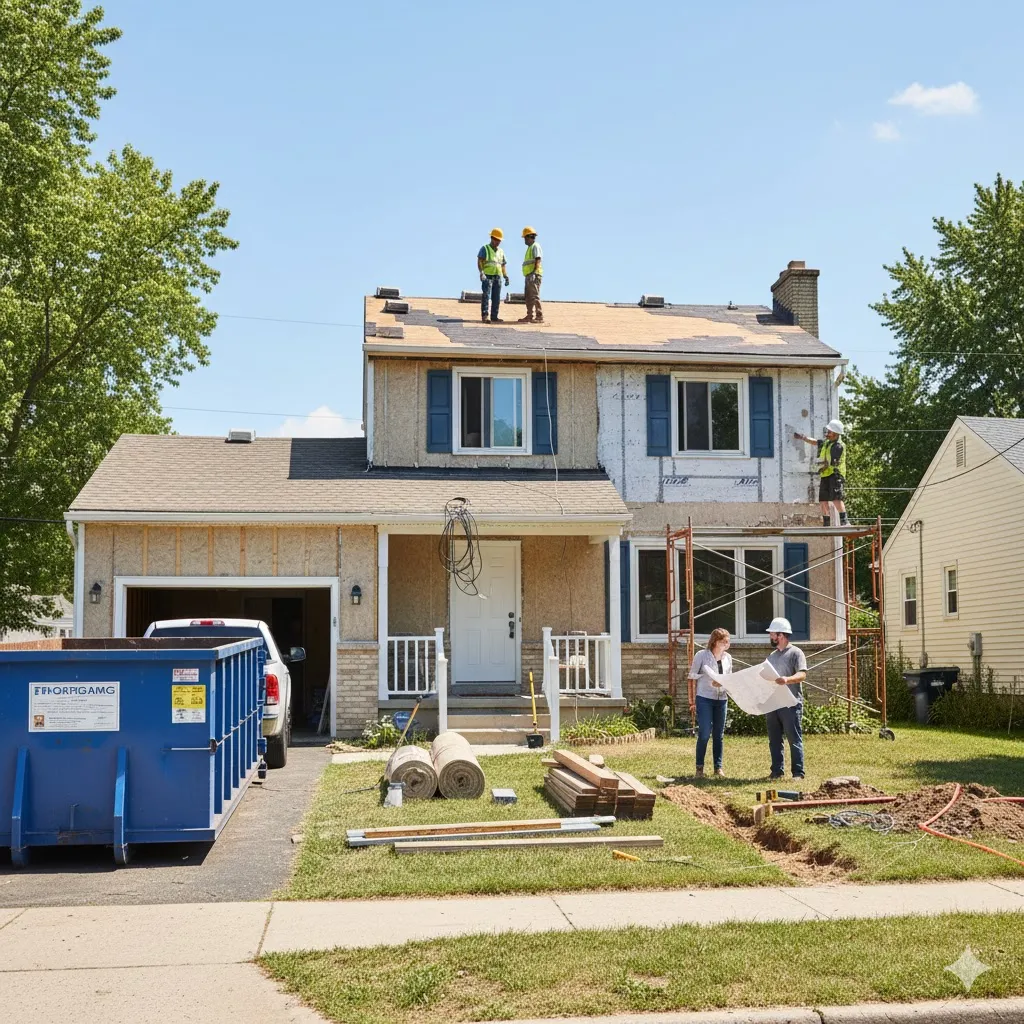
Flood protection is usually separate, even in high-risk areas. Renovations often increase replacement costs, yet policies are not always updated. Personal property limits may fall short for electronics, jewelry, or collectibles.
FAQs About Home Insurance Companies in NY
What does a standard NY home insurance policy cover?
Most policies cover the structure, personal belongings, liability, and temporary living expenses after a covered loss.
Is flood insurance required in New York?
It’s not required everywhere, but lenders often mandate it in designated flood zones.
Can I change home insurance companies anytime?
Yes, although it’s smart to review cancellation terms and refund policies first.
Do insurers in NY offer discounts?
Many offer savings for bundled policies, security systems, and claim-free history.
How often should I review my policy?
At least once a year or after major renovations or purchases.
Sources
- Insurance Information Institute – https://www.iii.org/article/what-does-homeowners-insurance-cover
- New York State Department of Financial Services – https://www.dfs.ny.gov/consumers/insurance/homeowners_insurance
- J.D. Power Home Insurance Study – https://www.jdpower.com/business/press-releases/2024-us-home-insurance-study
- National Association of Insurance Commissioners – https://content.naic.org/consumer/homeowners-insurance